

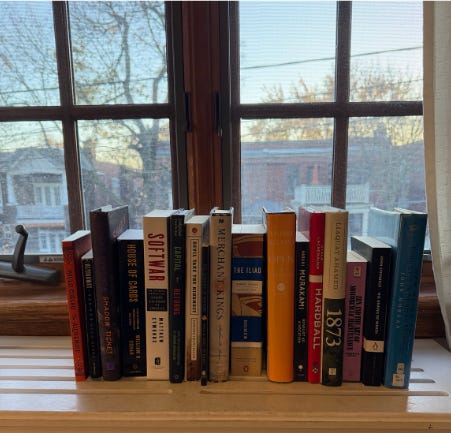
Continuing the annual tradition going back nearly a decade, below are the 17 books I have read so far this year, with two I will finish shortly after this comes out.
Based on popular demand, I started releasing this list a few months prior to the end of the year to give people a chance to buy gifts or reading material before the holidays.
This year I was able to finish a few more books than usual which I attribute to many long flights, a digital detox and the regrettable decision to read 10 books in 10 days.
With two months before the end of the year, the list currently contains:
3 Biographies
5 History
6 Fiction
2 Philosophy
3 Business/Finance
You might notice few of these books were released recently, I explain why in The Most Successful People Read Old Books.
If you are looking for more books beyond what are shown here, check out the Serviceable Insights Reading List: 100+ Books Worth Reading.
Without further ado here is the list:
1. Simulacra and Simulation — Jean Baudrillard (1981)
Baudrillard examines how images, symbols and mass media can replace or reshape our experience of reality, developing his ideas of simulation, simulacra and hyperreality. (Goodreads)
Very interesting, and even more impressive that it was published before the internet or personal computers were mainstream. The Matrix, Westworld and many more books and movies were inspired by this. It’s not an easy read but not Heidegger either.
I explored Baudrillard’s ideas in LLMs prove we live in a Simulation and applied them to Nathan Fielder’s work in Nathan Fielder is this Generations Woodward & Bernstein.

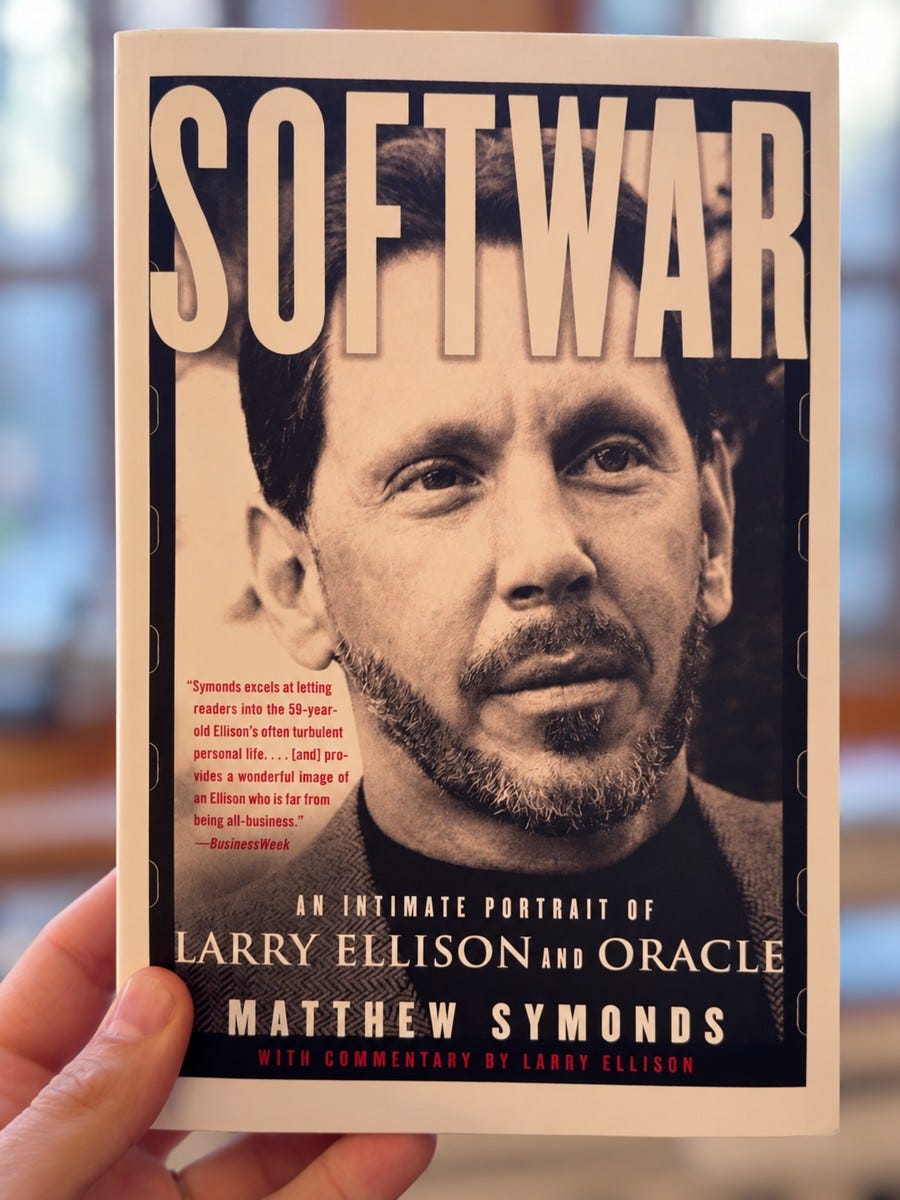
2. Softwar: An Intimate Portrait of Larry Ellison and Oracle — Matthew Symonds (2003)
A portrait of Larry Ellison and Oracle, following the company’s rise in the software industry alongside Ellison’s ambitions, management style and private life, with commentary from Ellison himself. (Goodreads)
I read this because David Senra referenced it in his Founder’s episode about Larry Ellison. Many founders claimed to have enjoyed this and although there are certainly interesting moments, it’s probably about 200 pages too long. Since Senra did a great job summarizing the important lessons, it almost felt unnecessary to read it. You can watch episode here.
For more on Ellison’s ambition, competitive instincts and business empire, read Logan Roy Wasn’t Rupert Murdoch. He Was Larry Ellison.
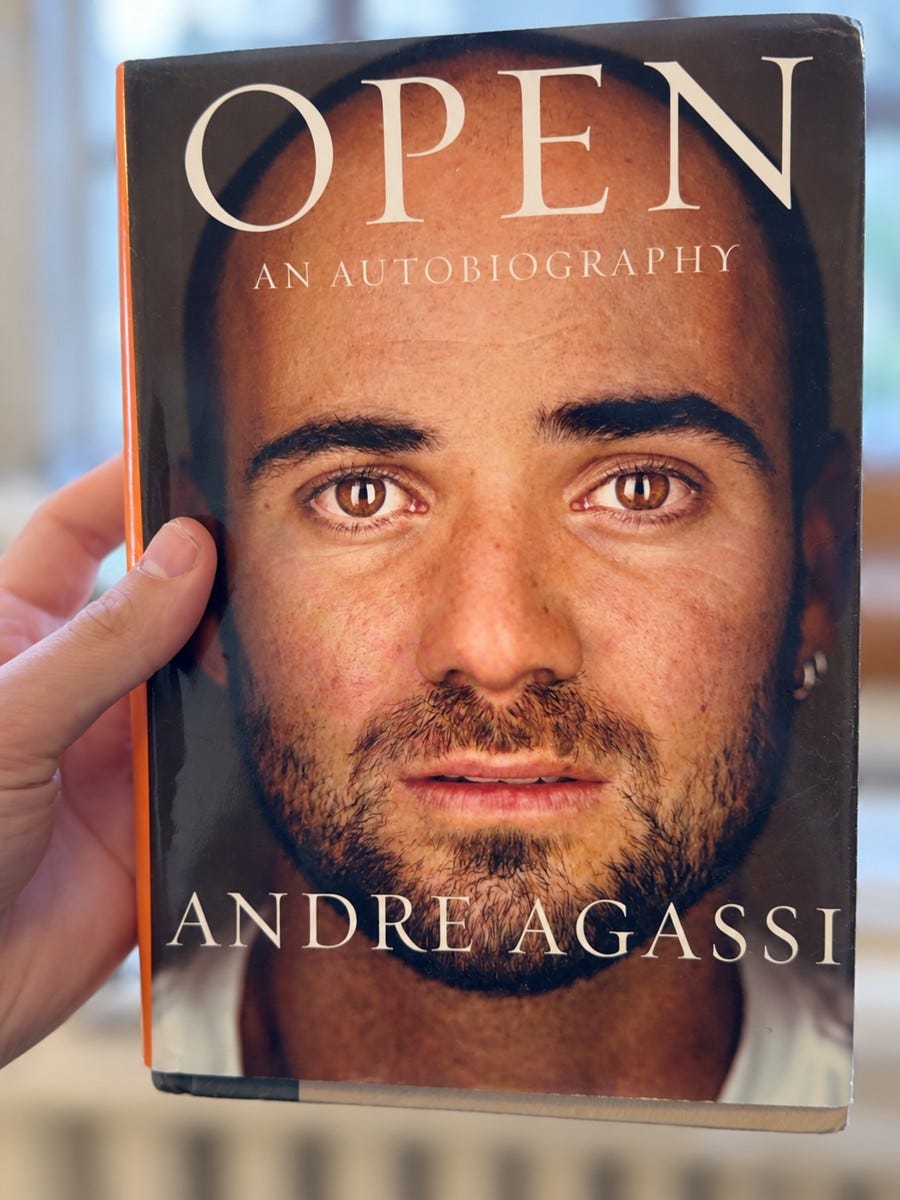
3. Open: An Autobiography — Andre Agassi (2009)
Agassi recounts his life from a childhood shaped by an exacting father to tennis stardom, exploring the pressures of competition, an uneasy relationship with fame and his search for fulfilment beyond the court. (Goodreads)
Most sports biographies are boring, poorly written, and/or not worth reading. Agassi’s autobiography defies all of these. Whether you’re a tennis fan or not, his life story has plenty of lessons showcasing the cost of greatness. It has inspired plenty of other athletes but also people in other domains, such as actor Jeremy Strong.
I used Agassi’s story to explore fear, love and the pursuit of greatness in You Can’t Be Great Unless You Love What You Do.
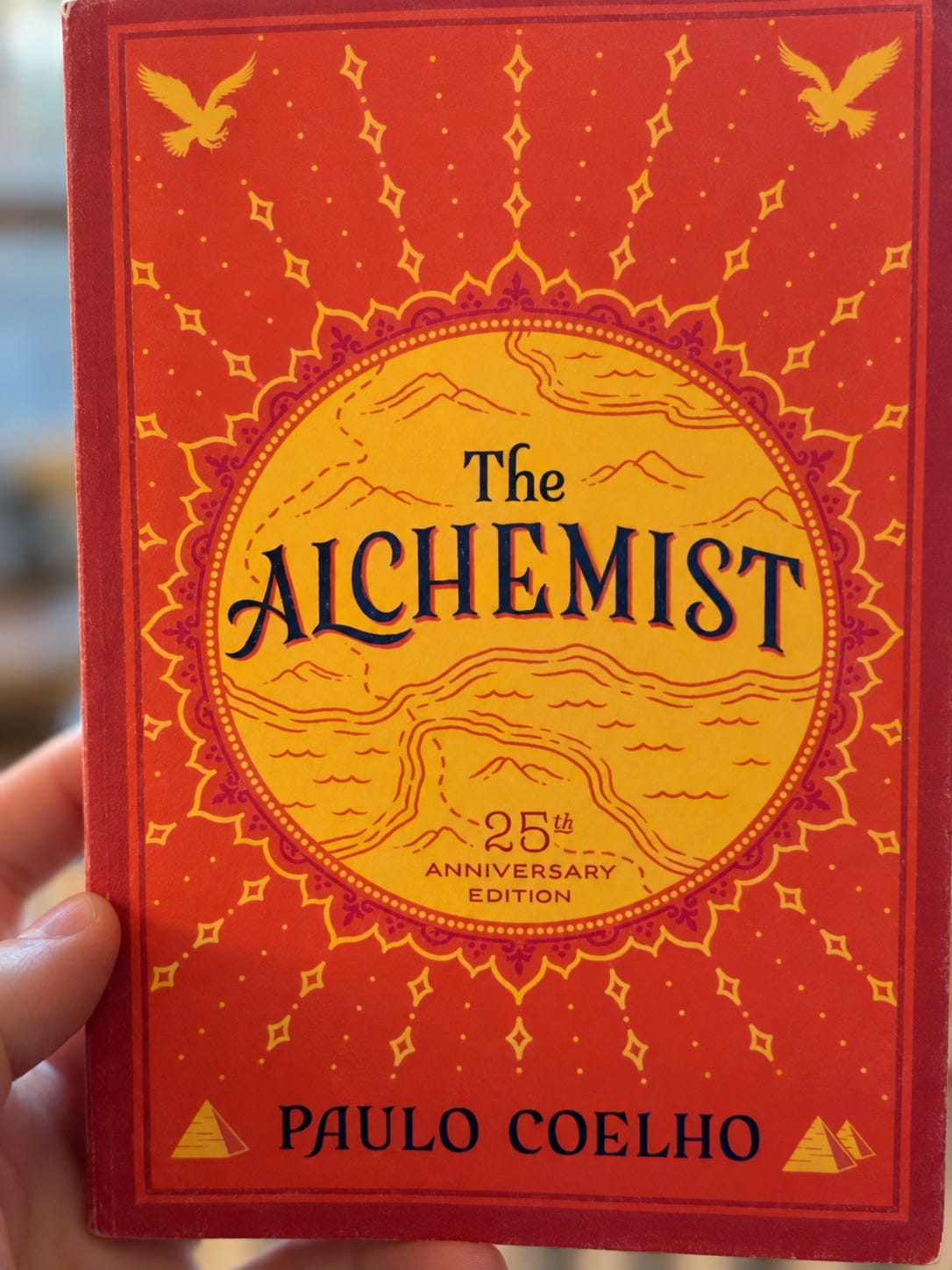
4. The Alchemist — Paulo Coelho (1988)
An Andalusian shepherd named Santiago leaves Spain in search of treasure near the Egyptian pyramids, discovering along the way that the journey is as much about self-discovery as riches. (Goodreads)
It’s widely cited as one of the most popular fiction books of the 20th century. The appeal is obvious: it has an inspiring message, you can read it in a day and it’s easy to follow. Although it’s not a consensus view, Coelho messes up the ending, which holds it back compared to masterpiece works.
I explored the pursuit of a personal legend, and the persistence it takes, in The Two Determinants of Success.
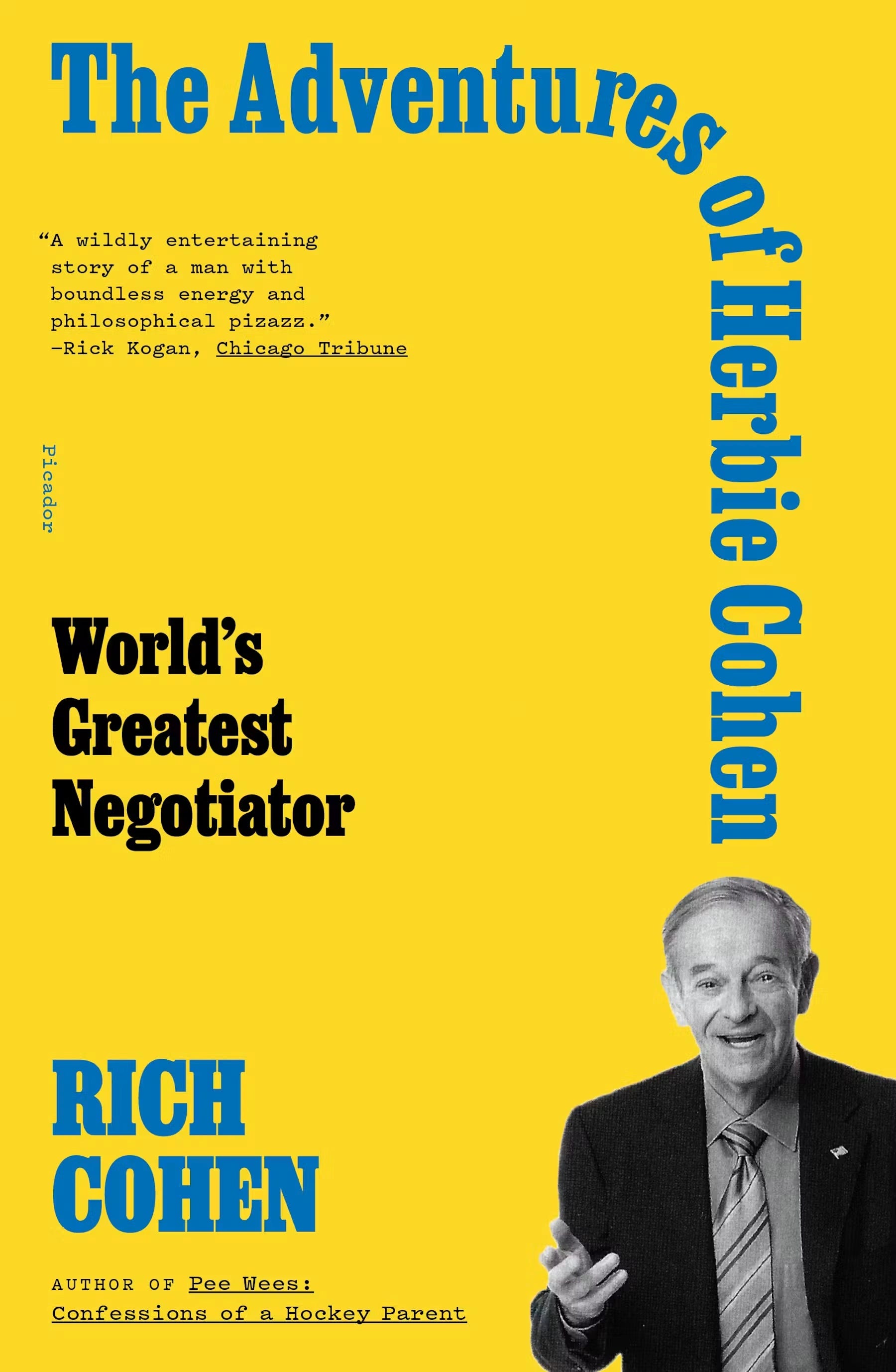
5. The Adventures of Herbie Cohen: World’s Greatest Negotiator — Rich Cohen (2022)
Rich Cohen tells the story of his father, negotiator Herb Cohen, following his Brooklyn childhood, unconventional career and family life while exploring his approach to making deals and navigating the world. (Goodreads)
You probably haven’t heard about Herb Cohen but his life story is incredible. A close childhood friend of Larry King, he is the living embodiment of chutzpa. The book is a quick read but you can also check out the Founders episode here.
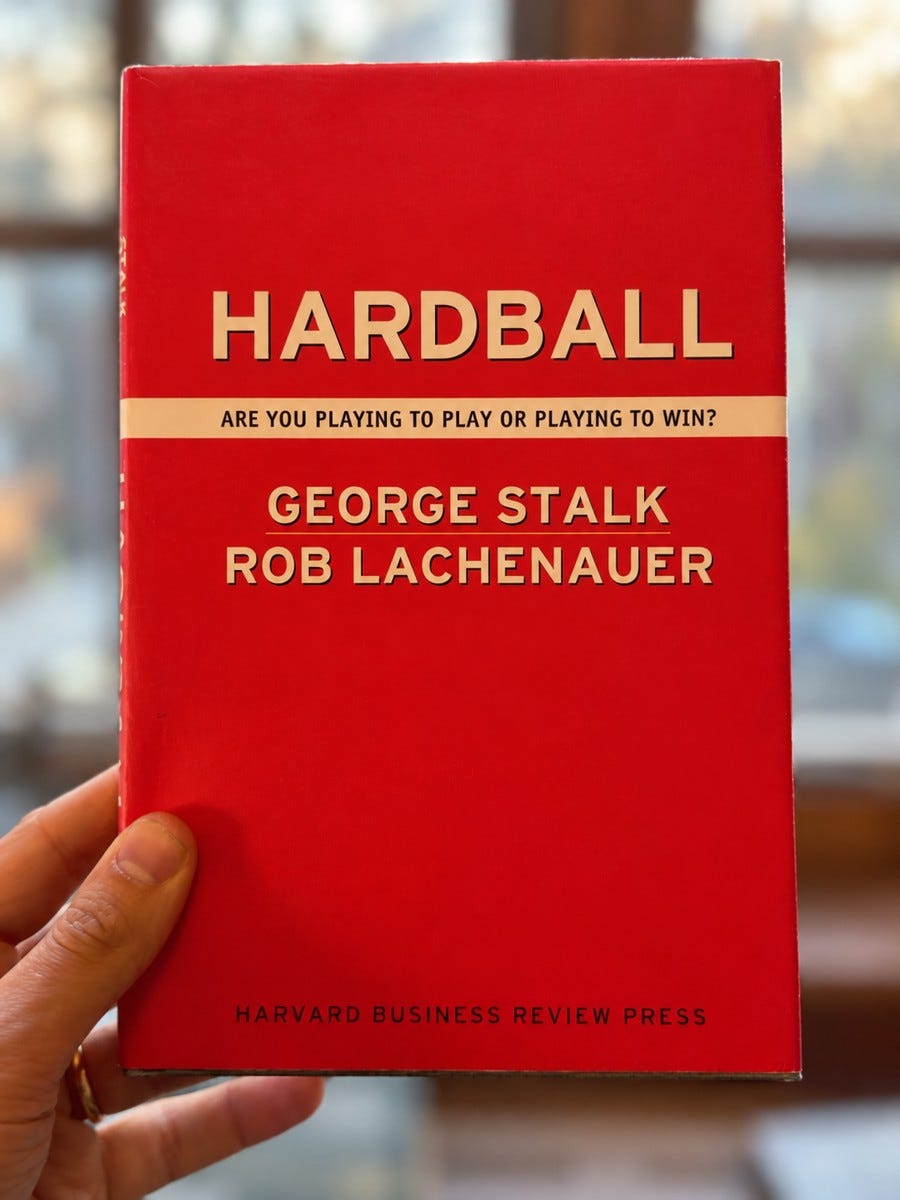
6. Hardball: Are You Playing to Play or Playing to Win? — George Stalk and Rob Lachenauer (2004)
A guide to competitive business strategy, using company case studies to show how decisive execution and aggressive but lawful tactics can create lasting advantages over rivals. (Goodreads)
I’m skeptical of most business books written by academics, such as Good To Great and that sort but Hardball is an exception to this. I don’t know any successful people that aren’t competitive in things they care deeply about. Most people think of Silicon Valley folks as docile and non-competitive. They clearly haven’t read much about Anti-Trust Bill, Larry Ellison or Mark Zuckerberg.
I applied the book’s competitive playbook to Citadel and Situational Awareness in Ken Griffin Introduced Leopold Aschenbrenner to Hardball. I also touched on its argument about using every legitimate advantage in The Value of Money Is Overrated.
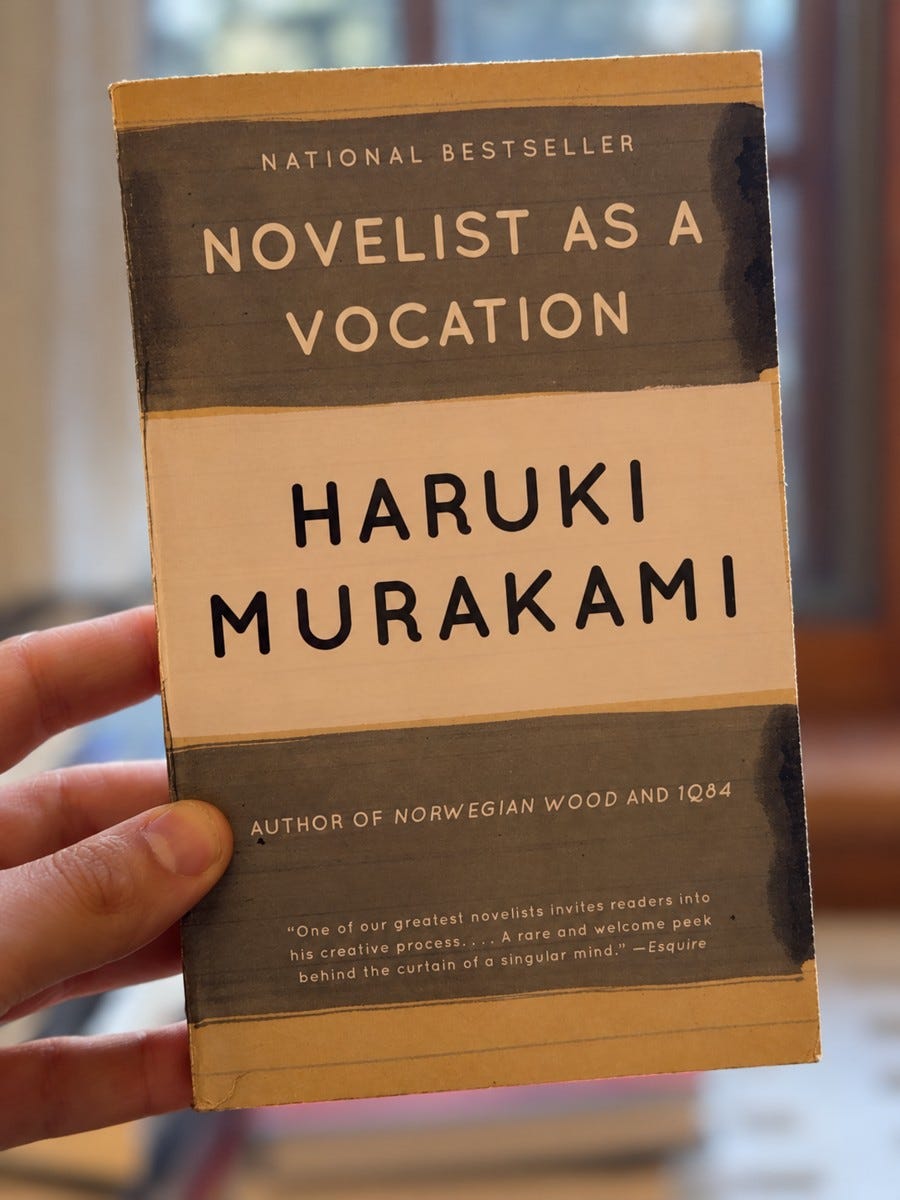
7. Novelist as a Vocation — Haruki Murakami (2015)
Murakami reflects on becoming a novelist and sustaining a writing life, discussing creativity, memory, discipline, solitude and the daily habits behind his fiction. (Goodreads)
Murakami doesn’t serve up the typical advice you see from other writers. Not only does he share a bit about his own writing career, it demonstrates the non-linearity of creativity and career success.
I discussed Murakami’s ideas about memory, attention and creativity in I did a 4 Day Digital Detox: I wish it was longer. The book also mentioned in I read 10 books in 10 days. I wish I didn’t.
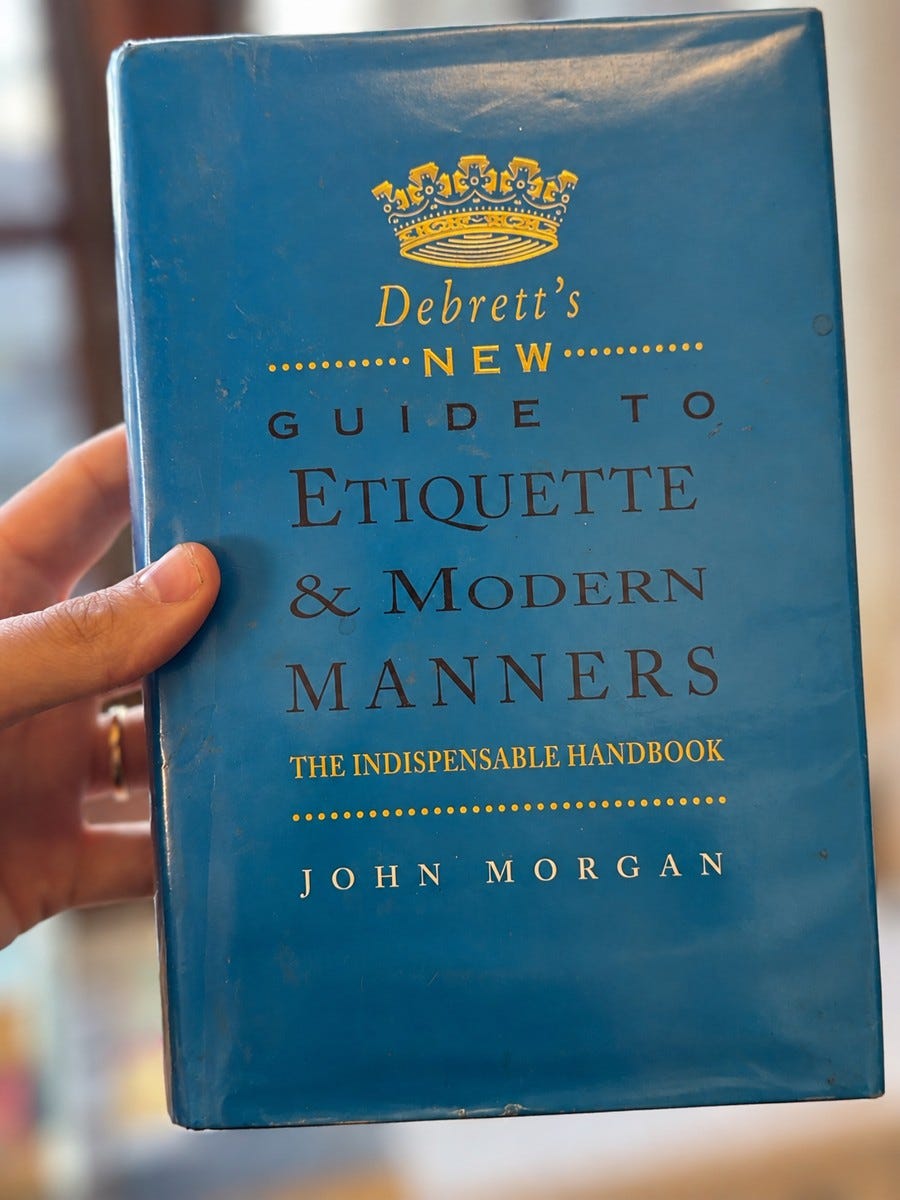
8. Debrett’s New Guide to Etiquette & Modern Manners — John Morgan (1996)
A guide to British etiquette that pairs traditional manners with modern situations, covering table manners, dress codes, blended families, online conduct and international business protocol. (Goodreads)
If you’re ever unsure about what to wear to a formal event, the protocol if you’re ever invited to Buckingham palace, or how to announce a called-off wedding/engagement, this is the book for you.
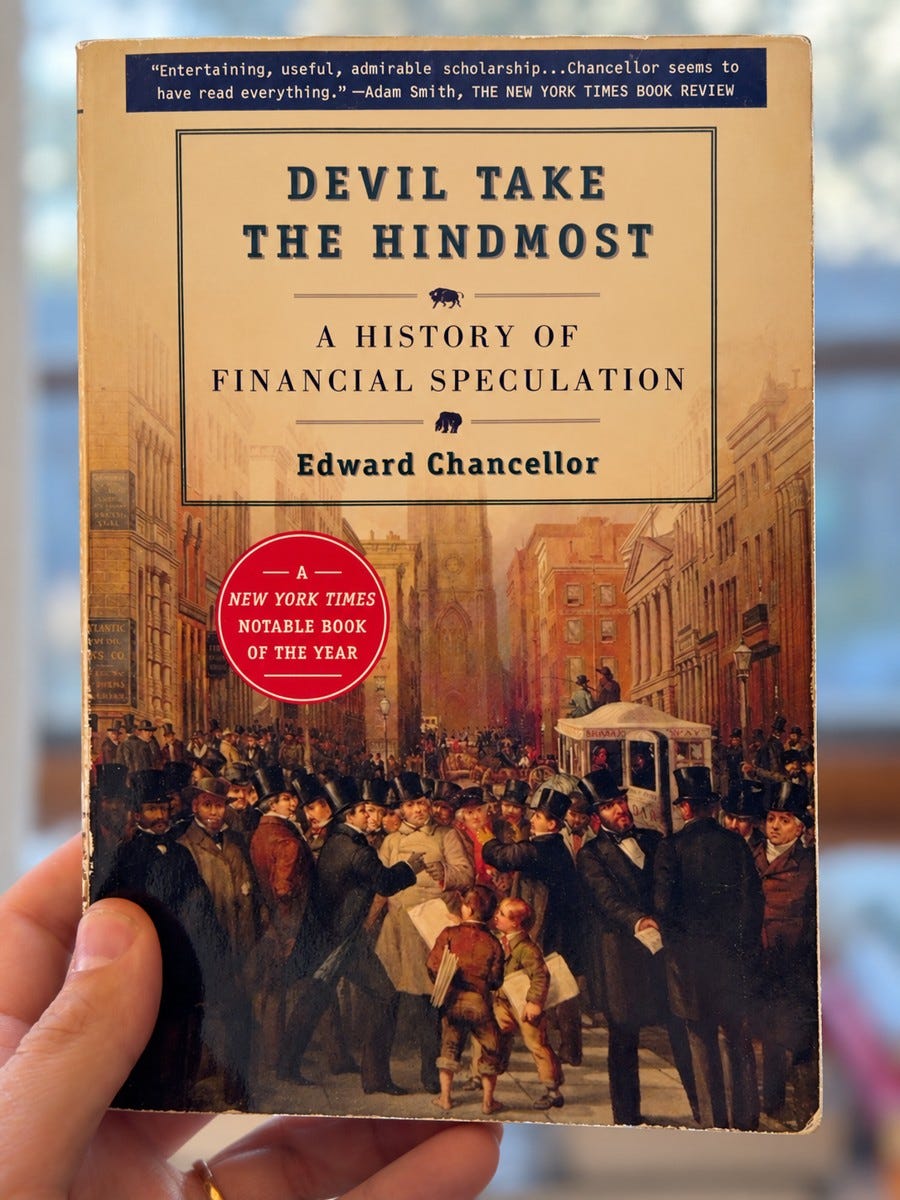
9. Devil Take the Hindmost: A History of Financial Speculation — Edward Chancellor (1999)
A history of financial speculation, from Dutch tulip mania and the South Sea Bubble to railway booms, the 1929 crash and Japan’s bubble economy, exploring the recurring psychology behind market manias. (Goodreads)
Edward Chancellor is one of the best economic historians, dispelling many of the myths concerning tulip mania, while showing causes of other well known bubbles.
I connected the book’s lessons on speculation and crowd behavior to investing and travel in What a Beach in Montenegro Taught Me About Beating the Stock Market.
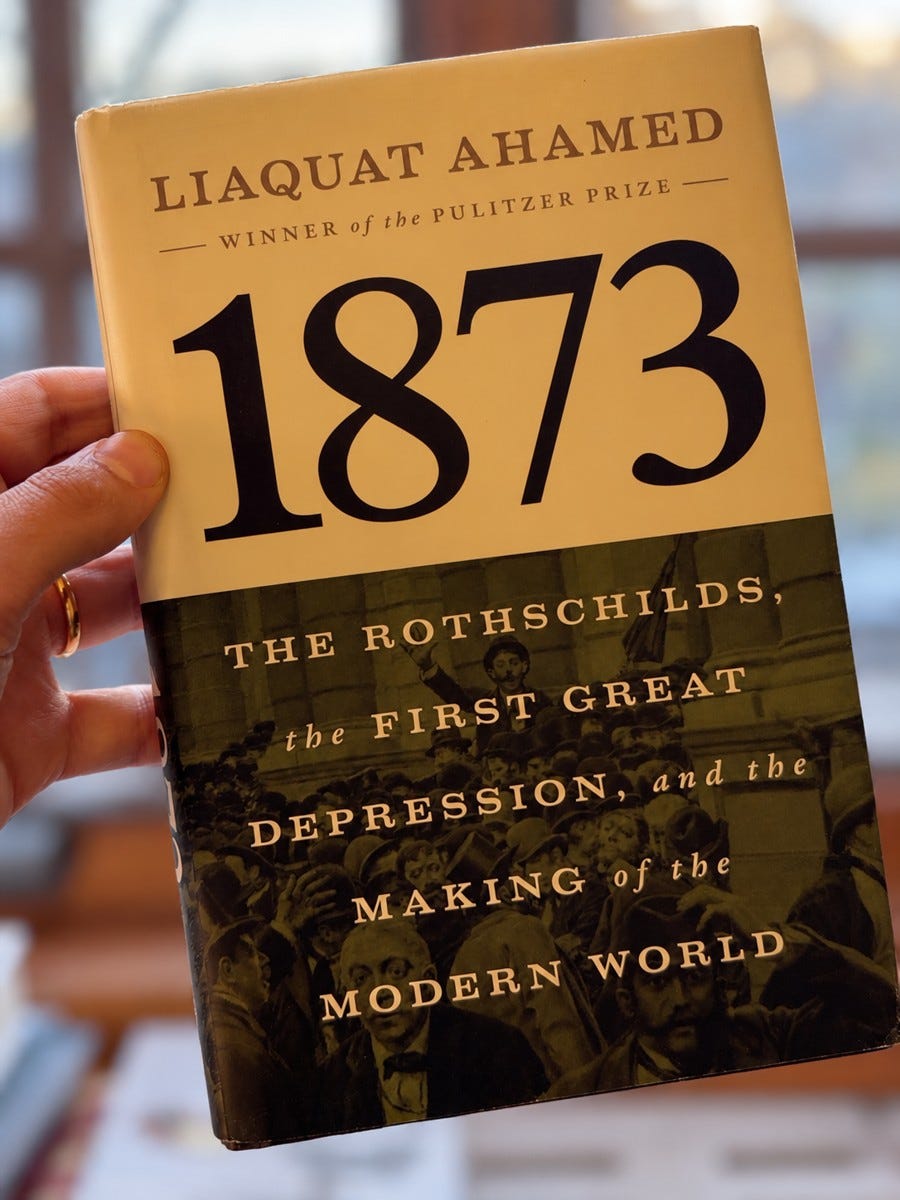
10. 1873: The Rothschilds, the First Great Depression, and the Making of the Modern World — Liaquat Ahamed (2026)
Ahamed examines the global financial crisis of 1873 and the Rothschild banking family’s role in the era, tracing how an international boom and collapse reshaped economies, politics and the modern world. (Goodreads)
Reading about bubbles was so much fun, I followed up Devil Takes The Hindmost with 1873 which discuss the underdiscussed depression of 1873, which sowed the seeds for the end of bi-metalism, then eventually the Gold standard.
This was part of my reading challenge. I reflected on the trade-off between finishing books and absorbing them in I read 10 books in 10 days. I wish I didn’t.
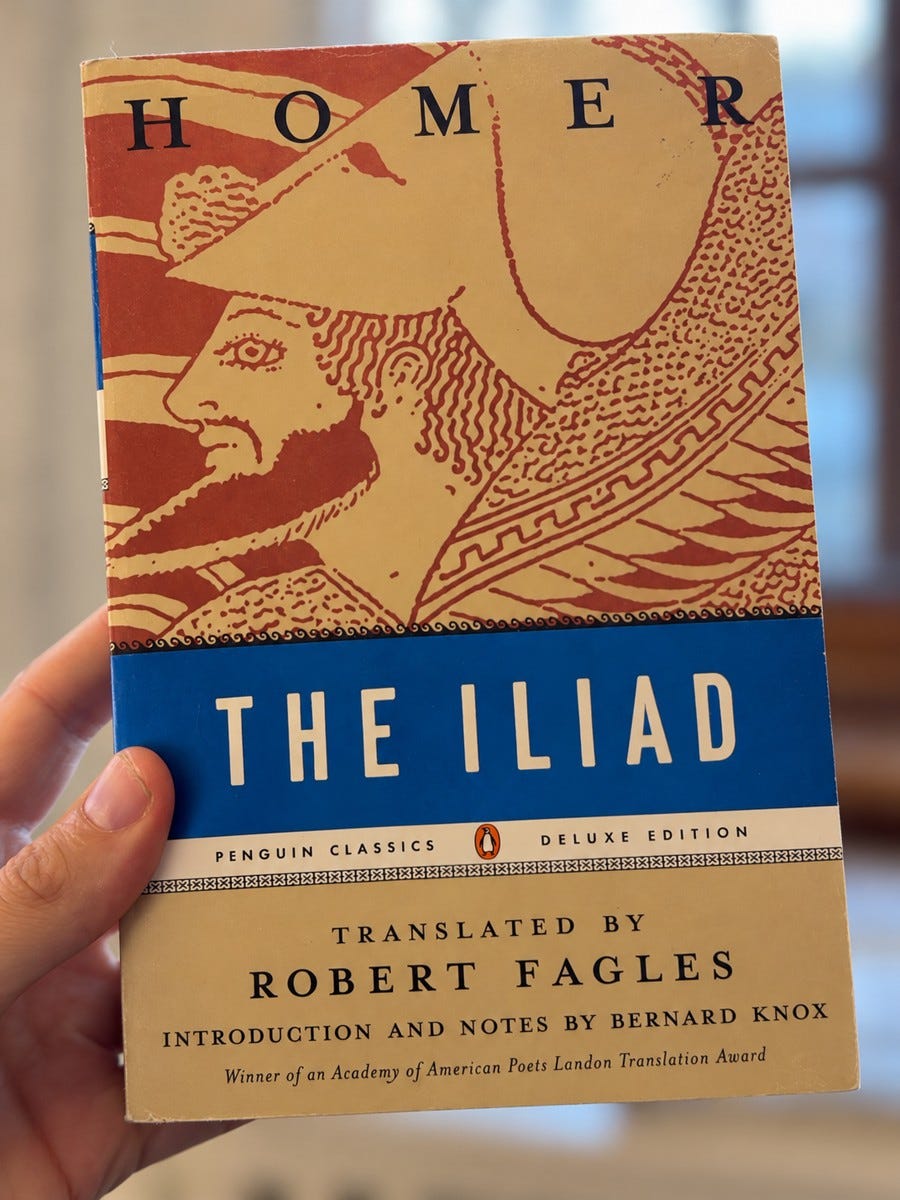
11. The Iliad — Homer, translated by Robert Fagles (c. 8th century BCE; Fagles translation, 1990)
Homer’s epic of the Trojan War follows the anger of Achilles and the suffering of Greeks and Trojans, exploring honour, grief, heroism and the human cost of conflict in Robert Fagles’ translation. (Goodreads)
The Iliad are the events prior to The Odyssey, Odysseus is featured although he’s not the main character in this one.
I discussed The Iliad’s staying power in The Most Successful People Read Old Books and reflected on finishing it in I read 10 books in 10 days. I wish I didn’t.
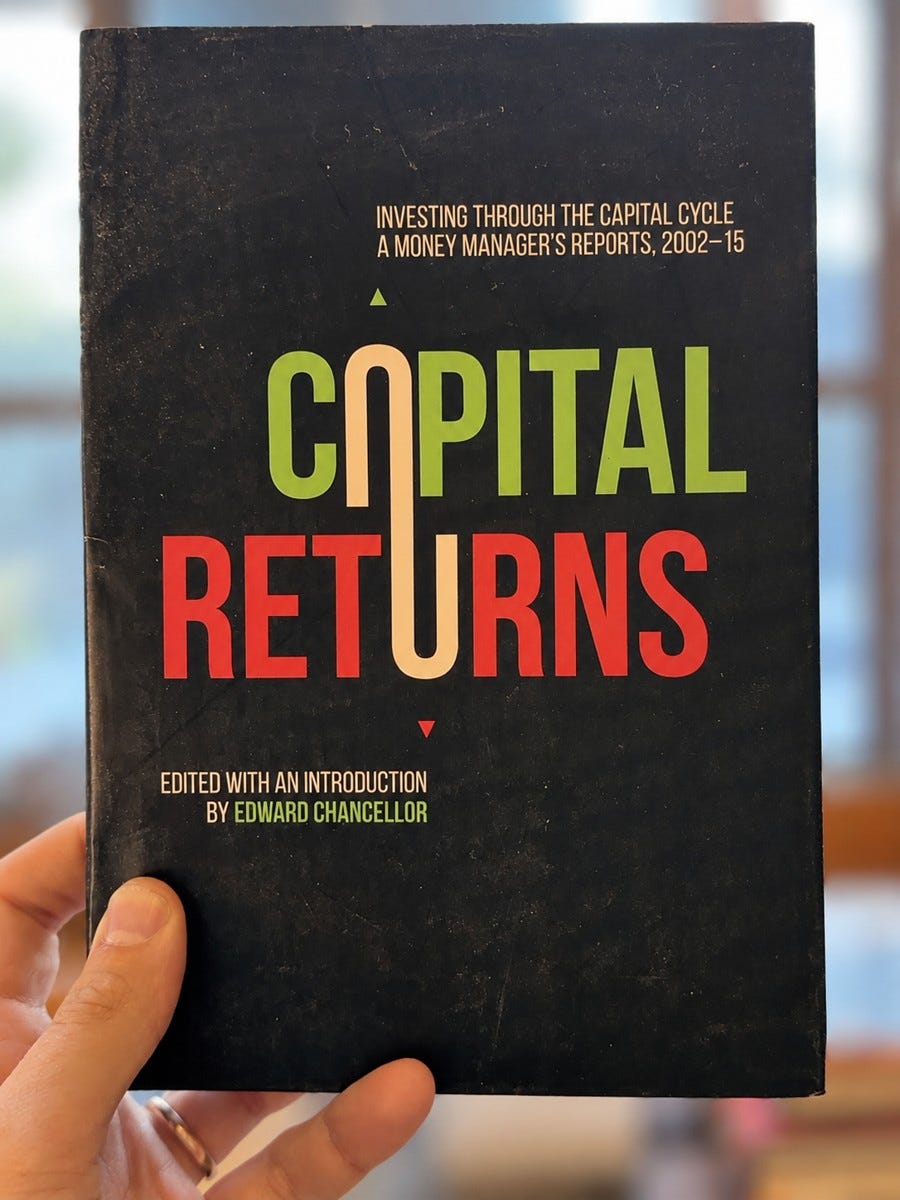
12. Capital Returns: Investing Through the Capital Cycle — edited by Edward Chancellor (2015)
A collection of Marathon Asset Management reports explaining how investment flows shape competition and future returns, and how a capital cycle approach can help investors assess businesses and avoid overheated industries. (Goodreads)
This is a collection of memos over a thirteen year period. It’s interesting reading these decades since their publication, as many are still relevant today.
I recounted reading this in a single day in I did a 4 Day Digital Detox: I wish it was longer.
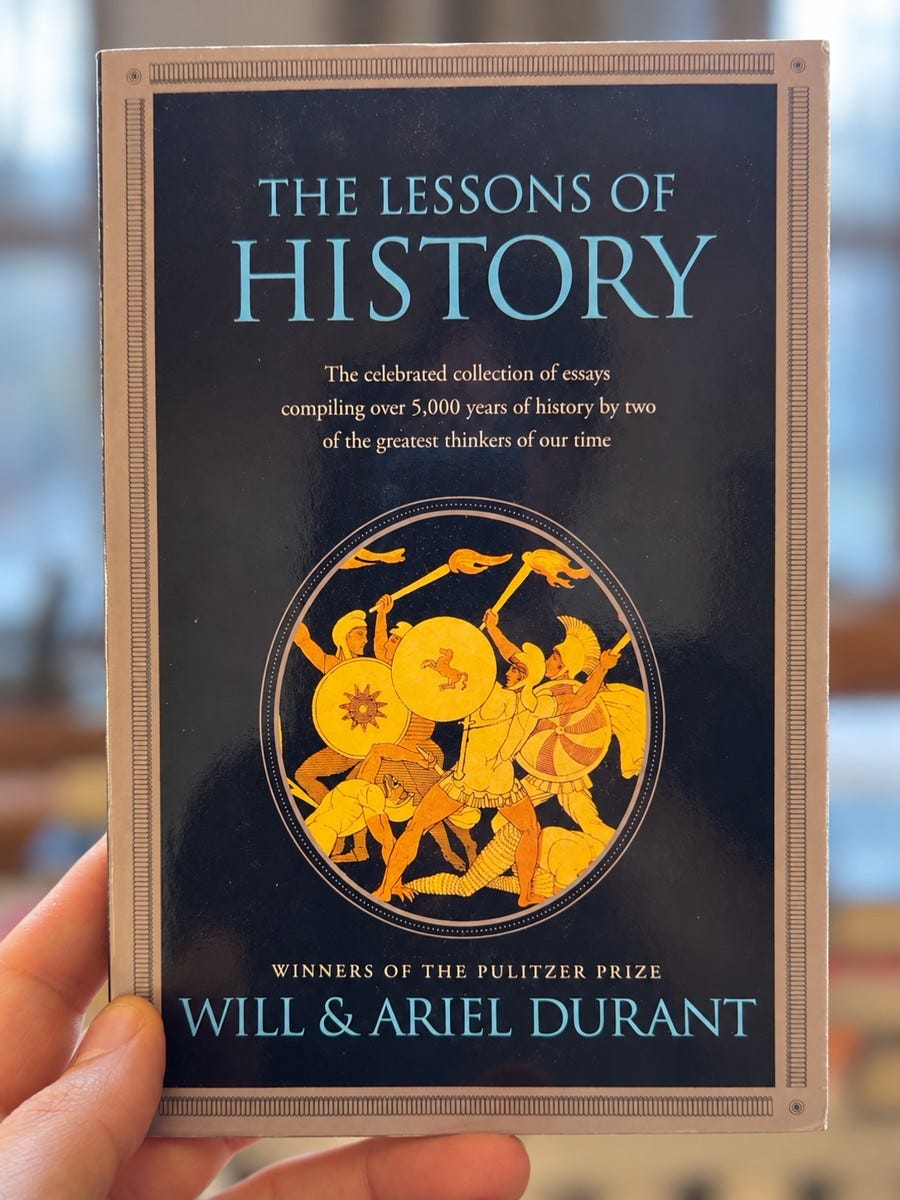
13. The Lessons of History — Will and Ariel Durant (1968)
A compact survey of the patterns and themes running through human civilization, drawing on the Durants’ historical research to examine culture, social change, war and the possibilities and limits of progress. (Goodreads)
A short book but one of the highest signal to noise ratios of anything I’ve read lately. The Durant’s wrote many of the great history books, spanning millennia and as the title implies, they share their lessons.
I reflected on the value of historical perspective while reading this in I did a 4 Day Digital Detox: I wish it was longer.
14. The Sun Also Rises — Ernest Hemingway (1926)
A group of American and British expatriates move between Paris and Spain after the First World War, navigating disillusionment, friendship and frustrated love against the backdrop of the Pamplona bullfights. (Goodreads)
It’s a timeless classic for a reason. Even people who don’t think they enjoy fiction would surely have a fun time reading this one.
I discussed Hemingway’s portrayal of leisure and distraction in I did a 4 Day Digital Detox: I wish it was longer, and included this in I read 10 books in 10 days. I wish I didn’t.

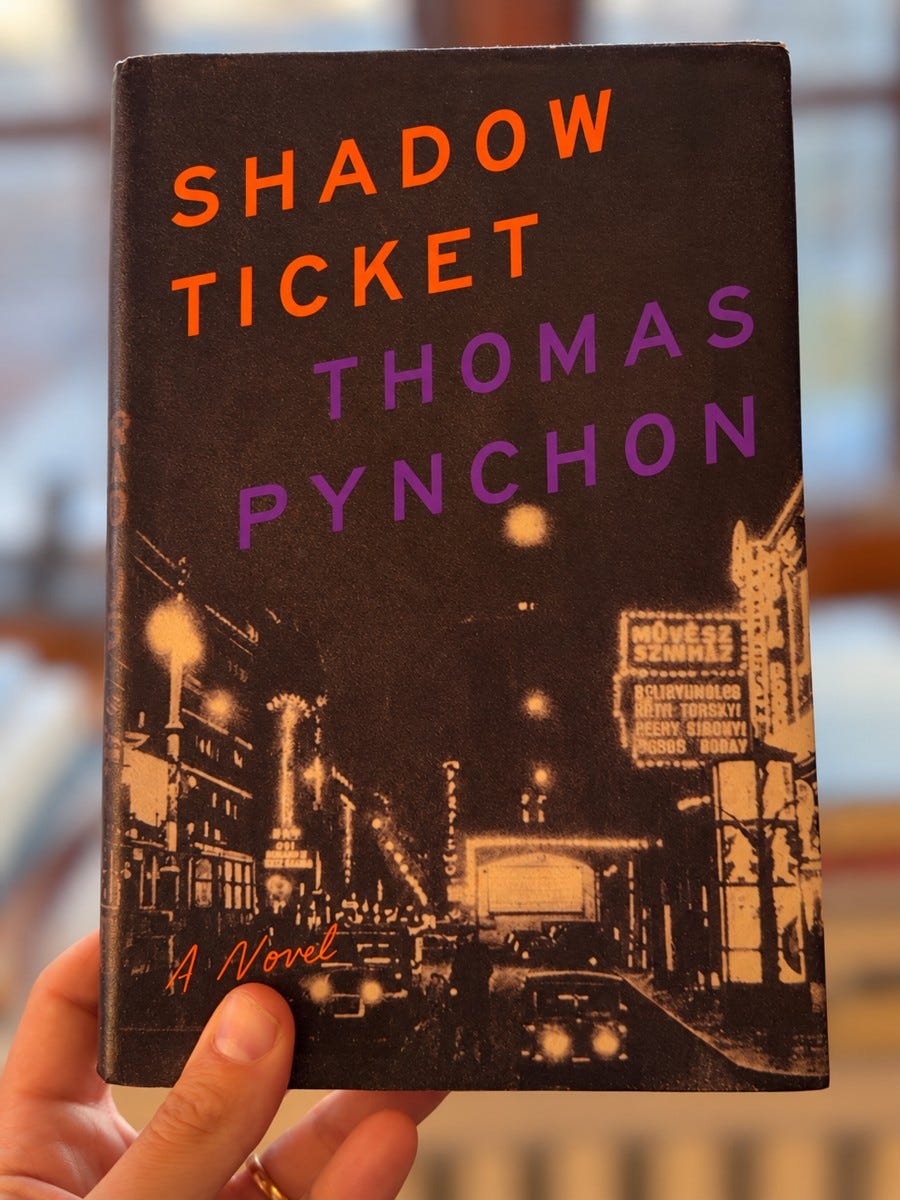
15. Shadow Ticket — Thomas Pynchon (2025)
In 1932, Milwaukee private detective Hicks McTaggart takes what seems a routine missing-heiress case, only to find himself in Europe among spies, Nazis, musicians and increasingly strange complications. (Goodreads)
Pynchon has been putting out bangers for 70+ years, Shadow Ticket is another one.
This was part of the reading challenge I reflected on in I read 10 books in 10 days. I wish I didn’t.
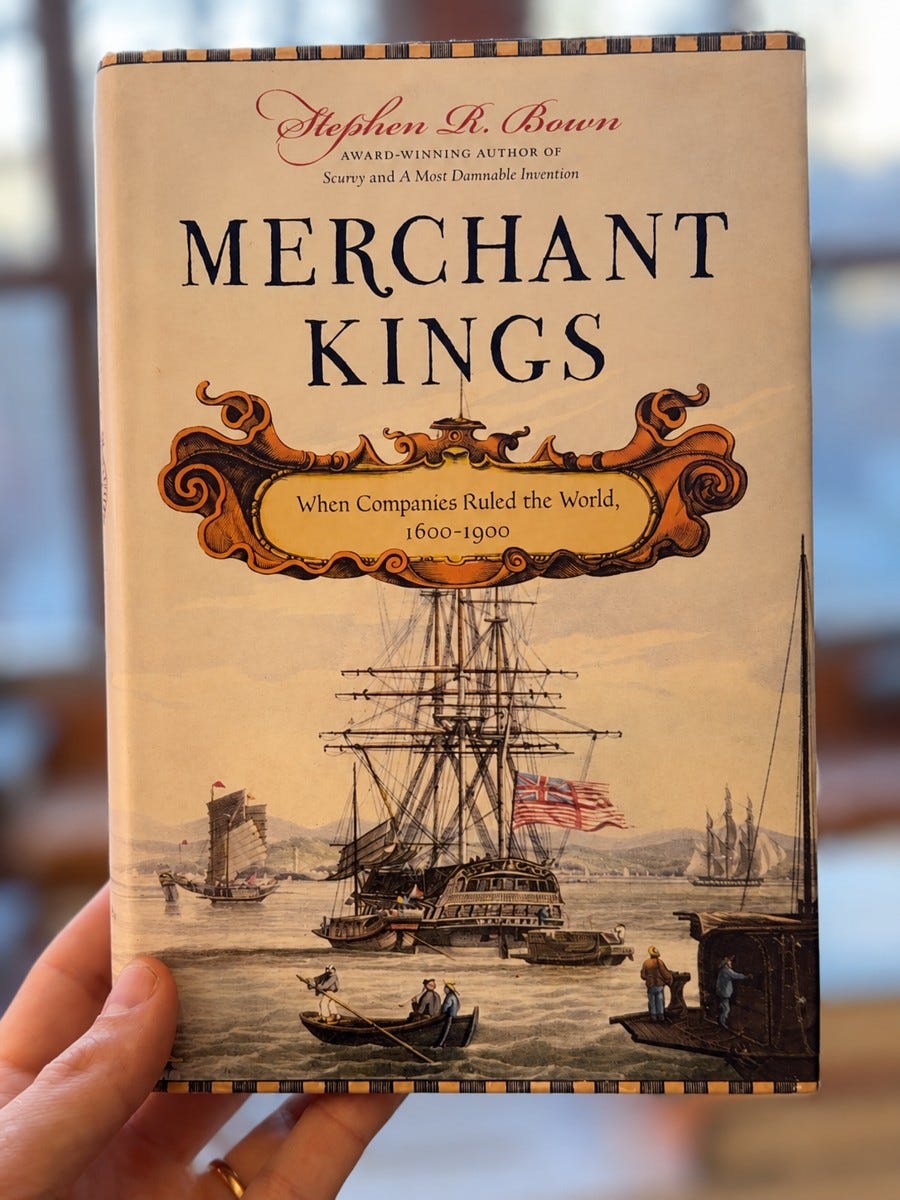
16. Merchant Kings: When Companies Ruled the World, 1600–1900 — Stephen R. Bown (2009)
Through six leaders of powerful trading companies, Bown explores the era when commercial enterprises governed territories, fielded armies and shaped empires, combining biography with the history of business and colonialism. (Goodreads)
You remember in The Pirates of the Caribbean that company chasing Jack Sparrow called the West Dutch Indian Company? They were a real company and they ran a sizeable part of the world for a while. They were just among several of these trade companies that went well beyond corporations of today.
I wrote a fuller summary of the book in What Happened When Corporations Ruled The World?
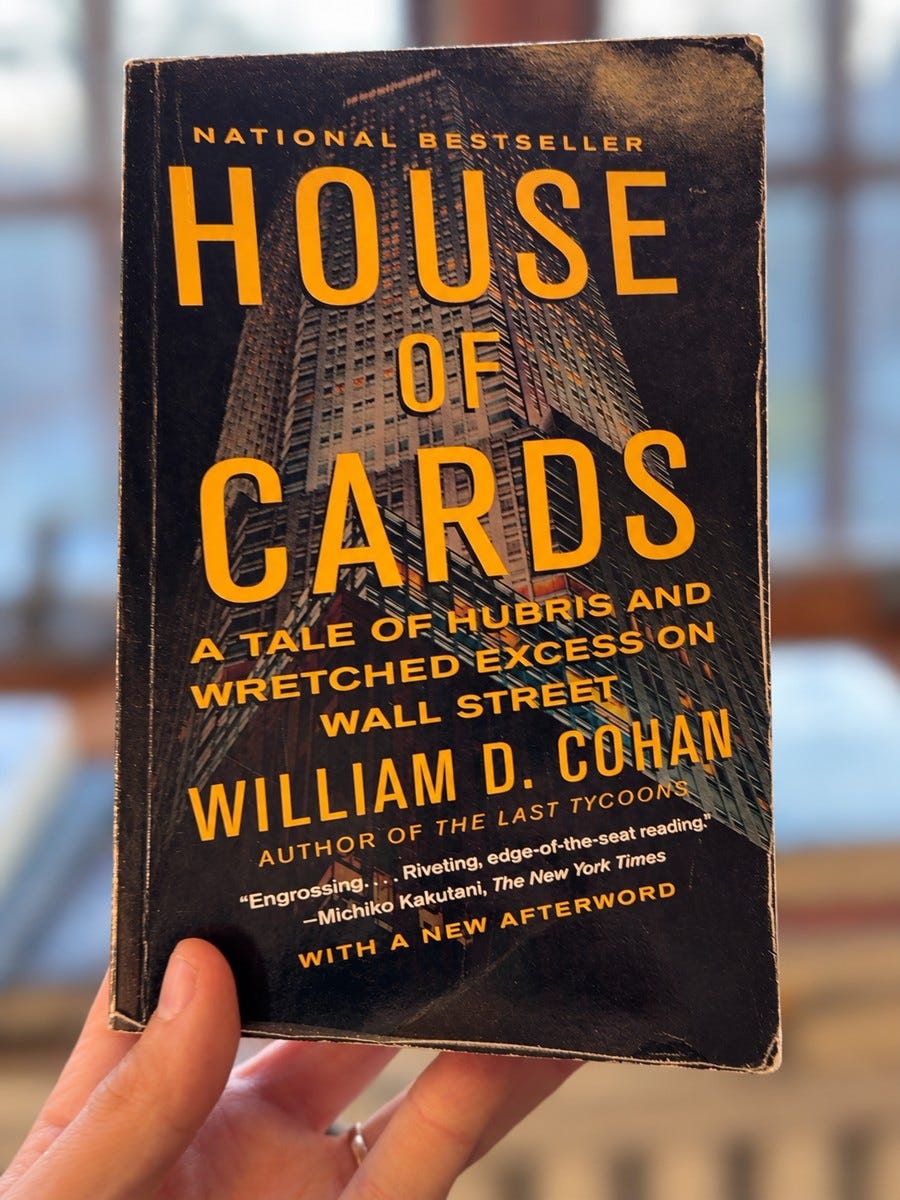
17. House of Cards: A Tale of Hubris and Wretched Excess on Wall Street — William D. Cohan (2009)
An account of Bear Stearns’ rapid collapse in March 2008, tracing the internal rivalries, risky decisions and failures of oversight that helped turn a bank’s downfall into a wider financial crisis. (Goodreads)
Everybody talks about the fall of Lehman Brothers as the onset of the Great Financial Crises, but most ignore another investment bank collapsed only a few months prior. The fall of Bear Stearns shows how quickly a company’s fortunes can change despite decades of caution.
Currently reading
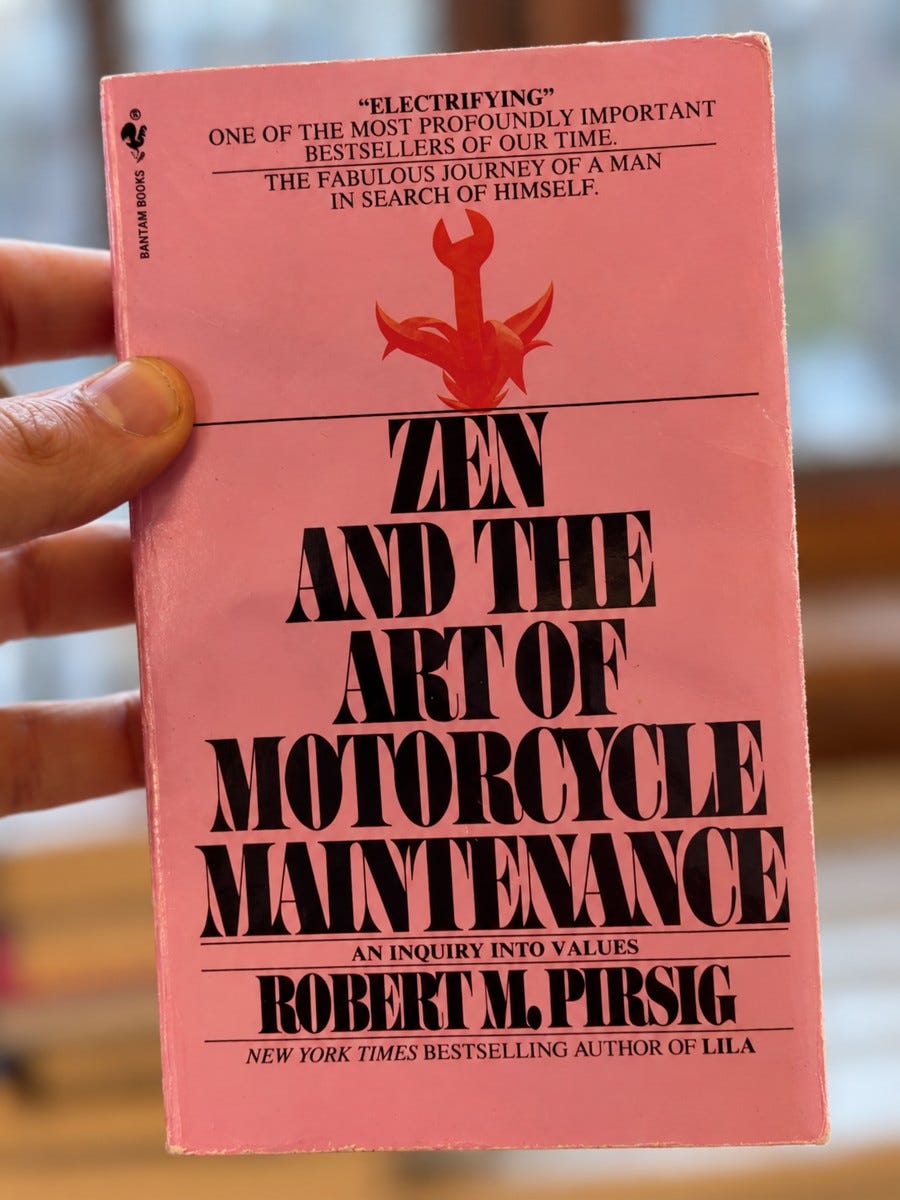
18. Zen and the Art of Motorcycle Maintenance: An Inquiry into Values — Robert M. Pirsig (1974)
A father-and-son motorcycle journey across America becomes a philosophical exploration of how to live, weaving personal experience with questions about values, relationships and meaning. (Goodreads)
Without trying to spoil too much, this isn’t actually a book about motorcycle maintenance, although you’ll probably learn something about them along the way. I’m only halfway through but this is another high signal to noise ratio book.
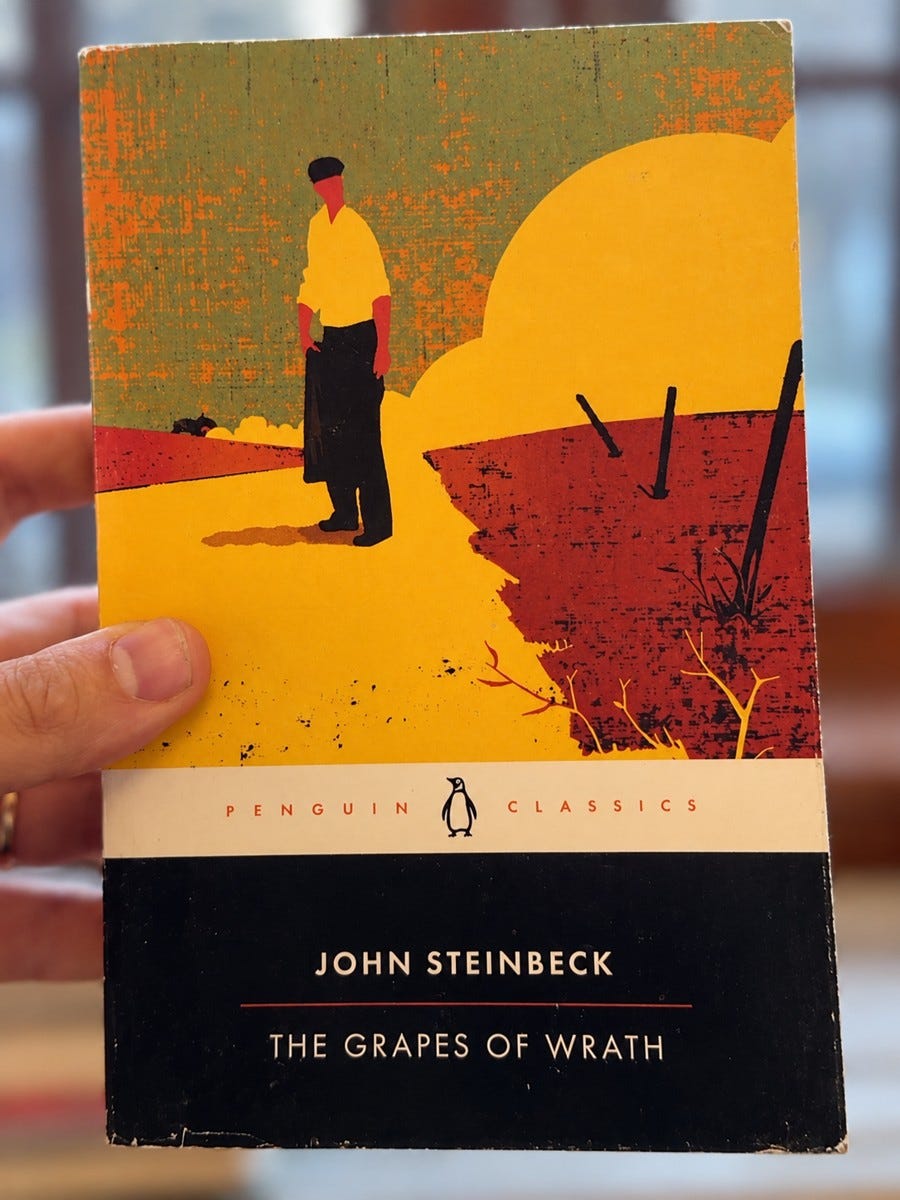
19. The Grapes of Wrath — John Steinbeck (1939)
Displaced by the Dust Bowl, the Joad family leaves Oklahoma for California in search of work, confronting poverty, exploitation and inequality during the Great Depression. (Goodreads)
This is another classic that shows up on everything from high school reading lists to all time great fiction books. If you haven’t heard of Steinbeck, you should read more fiction.
Thumbnail: Marilyn Monroe reading Ulysses (1955). Photograph by Eve Arnold.
Subscribe to receive weekly emails learning about anything from business, history, health, performance or philosophy