

I’ve read hundreds of books since I became literate at 8 days old.
Most people start with picture books, or Goodnight Moon. Not me. I kicked things off with War and Peace and finished all of Tolstoy within a few weeks. It wasn’t because I enjoyed it, I had to.
This all sounds plausible because many people represent their literary activity this way online.
Reading online has become performative1. People post photos of books mostly as a way to flex. They either feel it’s important to show they are literate or want to indicate they do something with their free time other than doomscroll.
I take issue with people sharing books they haven’t read or didn’t take the time to understand. There’s nothing wrong with abandoning a book midway or finishing it but failing to understand it. Just don’t go around claiming to have read it without proper disclaimers. This is the equivalent of photoshopping yourself into pictures from a vacation you did not take. People might believe you but trying to impress by faking is a losing game.
Longtime readers might be tempted to accuse me of hypocrisy; I’ve been sharing my annual reading list online for a decade. Do you think I gained any clout from this? I’m still writing this weekly Substack, so what do you think?
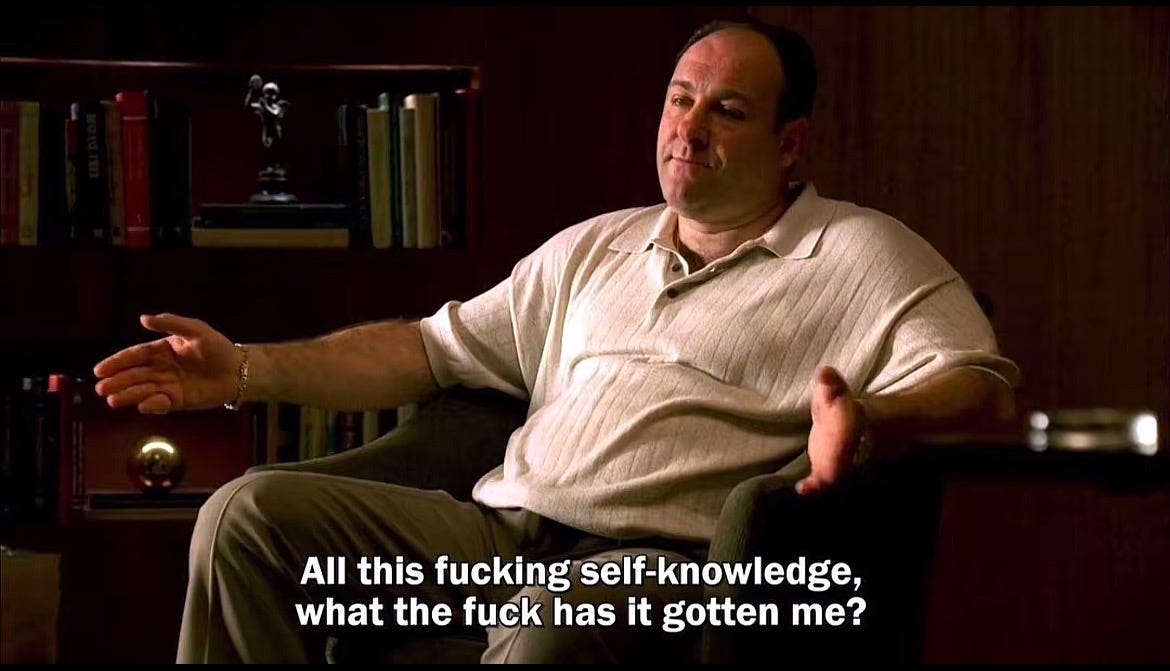
It takes more than buying a hardcover and placing it on your bookshelf to be able to claim to have read a book. Opening one is a good start, so is flipping through to the end but you aren’t reading a book unless you’re doing so with complete concentration, and actually understand what the book is about. Sometimes it might require reviewing the same pages/chapters multiple times.
Nobody understood Tenet on the first watch, even Robert Pattinson who’s in the film didn’t. It takes two watches to understand it, and three to enjoy it. Regardless of the medium, art and knowledge both work that way. Some things are easier to digest than others, but simply flipping to the end doesn’t guarantee comprehension.
When you see people boast about reading vast numbers of books in a short timespan, that doesn’t mean anything. If anything, it’s usually a negative sign. If somebody is claiming to consistently read a book every week, especially anything with depth to it and they aren’t paid to do so, they are probably just flipping to the end. That’s why it’s pitiful to see people flaunt books for clout.
Anyway, here are 10 books I read lately.
If you caught my recent article chronicling my digital detox, you know I set off to finish ten books in the remaining 10 days of August. I succeeded but it wasn’t enjoyable. Some would suggest I’m built different. I’m not. Sometimes I like to do things because they are hard and I don’t think I’ll enjoy it. Reading over 2,000 pages in 10 days certainly qualifies.
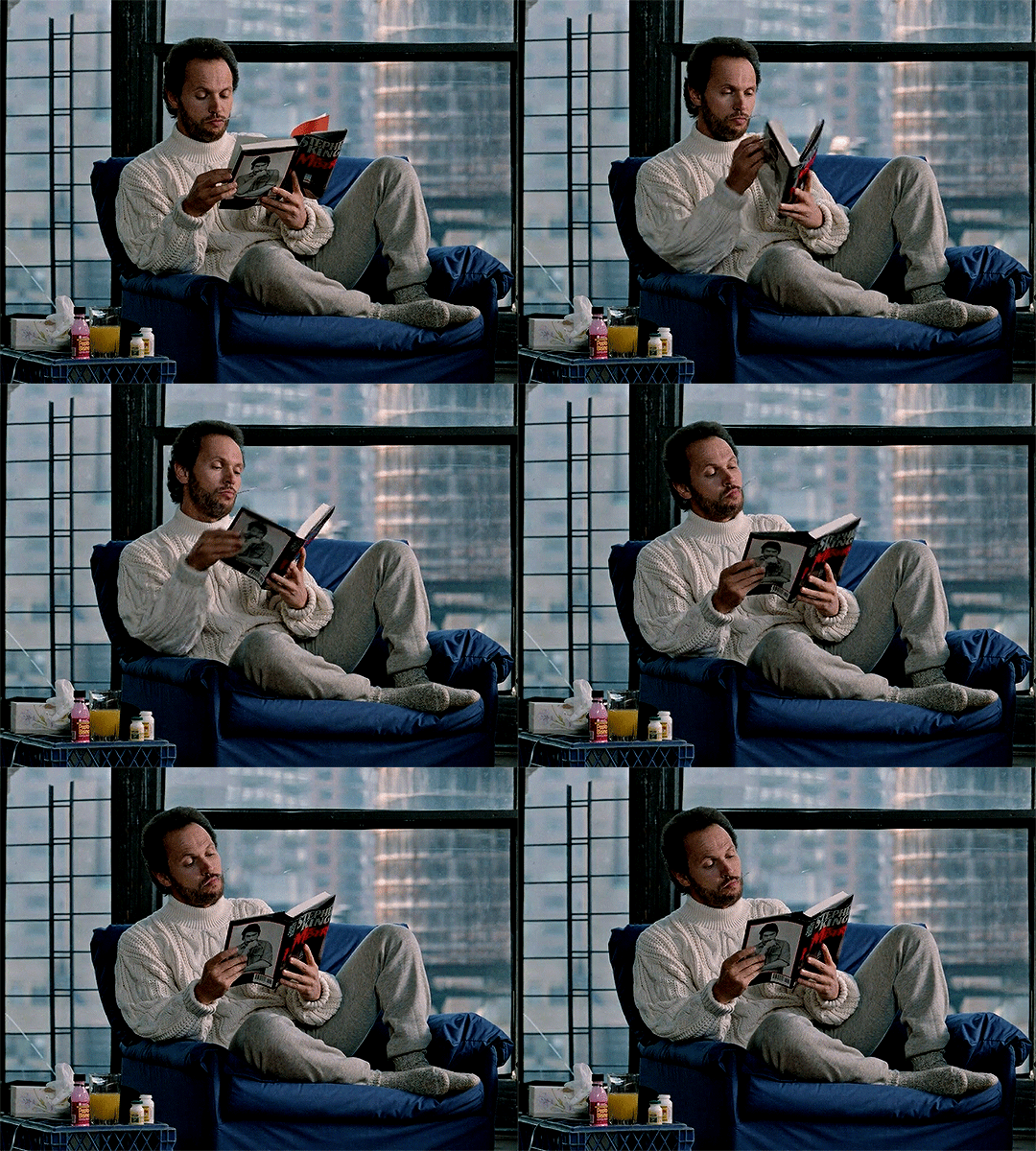
This isn’t something you do because you enjoy it or hope to better your life in the future. I can confirm doing something like this is purely performative. I was doing it to prove a few people on Substack I could2.
The first four books were easy enough. I had plenty of time during the digital detox and I was off work. During this span I read Capital Returns, Novelist as a Vocation, The Lessons of History & The Sun Also Rises.
Assuming you’re reading a reasonably complex book of 200-300 pages, it takes at least 5-12 hours. You aren’t doing that in a single evening after a work day. Speed reading is nonsense, if you think you are consistently reading a page in under thirty seconds, you are definitely skipping things. If anything you should try to slow down.
If I want something to stay in my memory bank, I take notes and occasionally write a Substack article about it. This is a slow, friction filled process by design. This is why I only read 10-16 books per year, although this range rises with the amount of time spent on a beach.
This is why days 6-10 were not enjoyable. What I was doing resembled flipping through to the end. I read every word, but there was no time to reflect or take notes. My work day doesn’t end at 5PM and I occasionally need to do social things which cuts into the reading and reflection time.
After finishing the remaining 300 pages I had left with the Iliad, I opted for a short fiction then decided my best move was to revisit books I had previously read. Some I didn’t get a chance to take notes on, so it was helpful to review and not a waste of time. If these were my first reads, it would have been. This is why when I see people claiming to read 50 books each year, I don’t doubt some of these people flipped 50 books through to the end but I’m skeptical they gave them the attention they deserved or derived the value they should have.
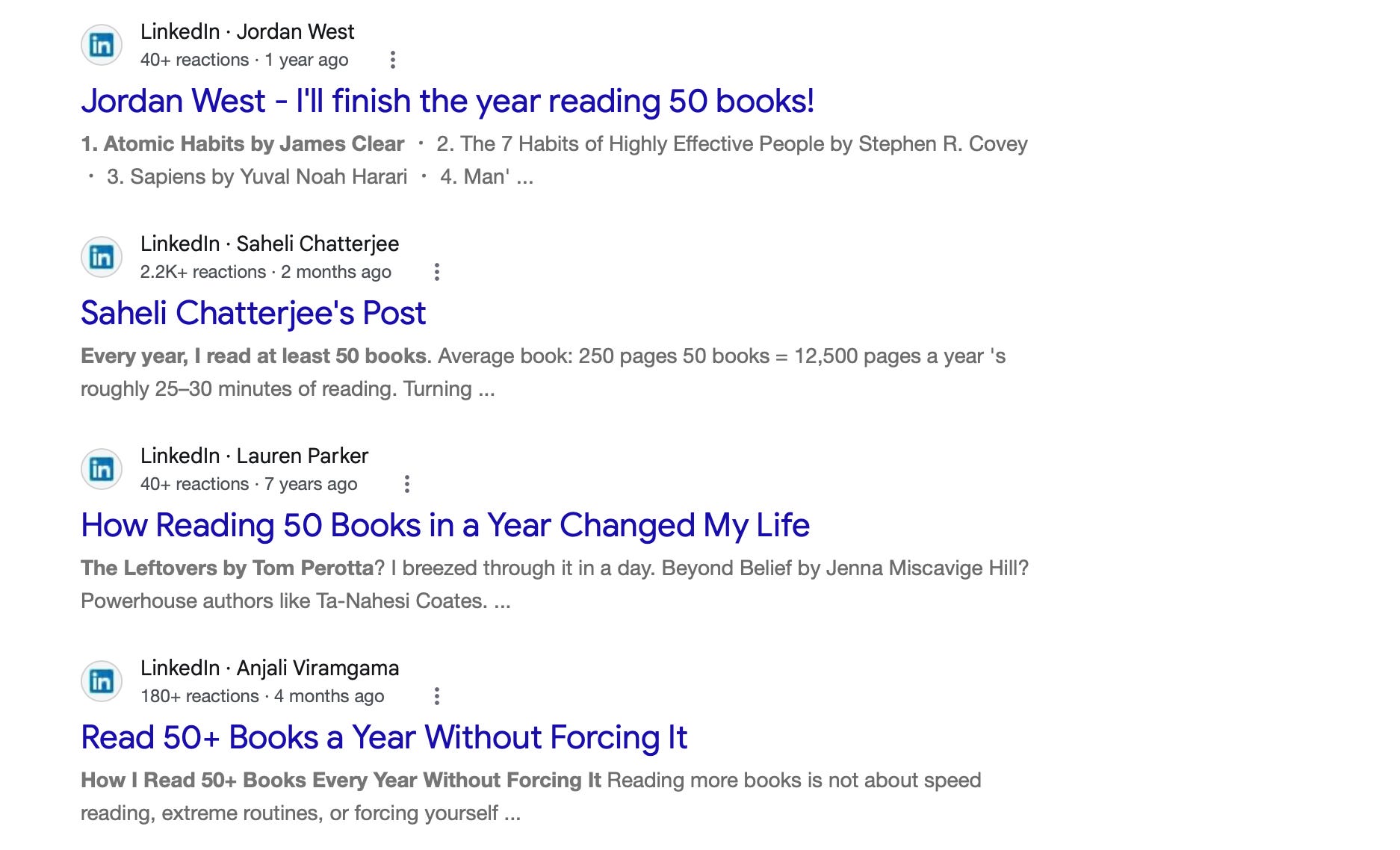
People use books read as a vanity metric, but what use is reading if you don’t recall any of the lessons or anything from the book a few months after finishing it? If somebody dedicates all of their leisure time to reading, then sure. It’s completely feasible, but that’s not happening if you’re allocating the appropriate time necessary for a successful fitness regimen, career, family and social life. There’s an optimal point where you can have balance across all of these domains; once you clear more than two books per month, your health, career or social life are going to take the hit.
I met a guy who reads 60-100 books per year, but he lives on the Scottish countryside without a TV, computer or a conventional job so we can’t use him as a typical example. He thought Blood Meridian was the worst of the last 200 books he had consumed which made everything else he said suspect.
Some people will include audiobooks in their book counts. You aren’t missing much if you are reading smut but for dense topics, your retention is going to suffer. Especially if you’re listening while driving, folding laundry or otherwise engaged in multitasking. I listen to audio at 1.5-2X speed, which is fine for entertainment, podcasts, interviews or content I’m already familiar with but if I’m serious about trying to learn something new, I’m dropping it to 1.0X and buying the book after.
Yet the presence of a hardcopy on your book shelf or nightstand doesn’t guarantee that you’ll get any value or pleasure out of it. Same thing if you’re trying to rip through it in a few short hours. Performative reading serves no purpose beyond giving people content to post about on social media.
Thank you for reading. If you liked this article please Like, Comment and Subscribe below.
I hate this word. It has become overused.
Giacomo Falcone and Dr. Julie Gurner specifically. Rxmeen and Grant Varner were supportive.