

The margin between the greats and very good is often slim.
Roger Federer in his Dartmouth commencement speech pointed out he only won 54% of points during his tennis career, yet that slight advantage resulted in him winning 80% of his matches. Maintaining this over a 20+ year career that includes 20 Grand Slams, is why he’s one of the greatest ever.
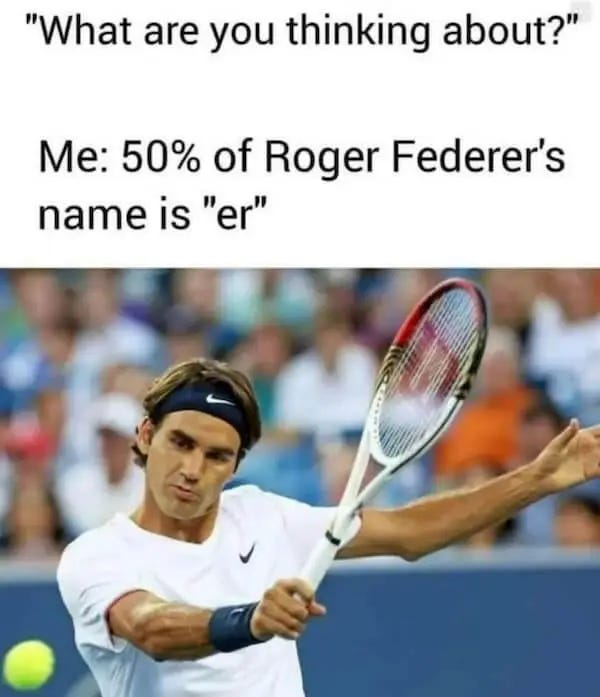
Pretty much every moment of his life until he retired was dedicated to the sport. This is the case for any professional or almost made it athletes. Yet from this group, only a sub-group will be remembered after they retire, and even a smaller group will continue to garner respect generations later.
What separates these groups isn’t athleticism, skills or even hard work. It’s passion. Unbridled willingness to dedicate yourself fully to being the best at your craft for decades. Many will earnestly believe they have it, but few are willing to make the sacrifices that are necessary to reach the very top. Even with this, it only matters if they win. Nobody cares about your pain and sacrifice unless it amounts to something.
If you want to be great, you need to win more than anyone else. To do this you will be propelled by two emotions: Fear and Love. Both are necessary, but the formula is delicate. The absence of one or the surplus of another will be a hindrance. You need to find the right formula, and get lucky if you hope to be great.
Nobody personifies this better than another tennis great, Andre Agassi. His autobiography Open gave incredible insights into the psychology of being a winner.
Fear gets you to the arena but love is what keeps you there.
Keep reading if you want to learn how to be great.
If this week’s article does not interest you, please check out some other recent ones:


The Role of Fear
Andre Agassi is one of the best tennis players ever but for most of his life he hated tennis. He became the number ranked player in the world and won Grand Slams despite not even enjoying the activity he dedicated every waking moment to. This was only possible because of fear. Fear is also a proxy for insecurity.
As early as 6 years old, his father made him hit over 2,000 shots every day. Not softies either, he had to return shots fired at him from a souped up ball gun. Agassi didn’t want to do it, but he was afraid of his father, Emmanuel. The senior Agassi decided Andre was going to be a professional tennis player from the moment he was born. Emmanuel was a tough man who never knew love, and he took out the shortcomings from his own life on his son. This is a consistent theme among many greats.
His rational was that if Andre trained harder, played more tennis than anybody else and had the right coaching over time he would become the best player in the world. He beat the idea of perfection into him. Andre had to win every point and every set or his dad would yell at him.
Whether Andre was on board with his plan was irrelevant. He pushed Andre very hard and served as his coach until Emmanuel sent Andre to a tennis academy noted for its strenuous training regiment. This academy produced many professionals, but Andre was the star pupil to emerge.
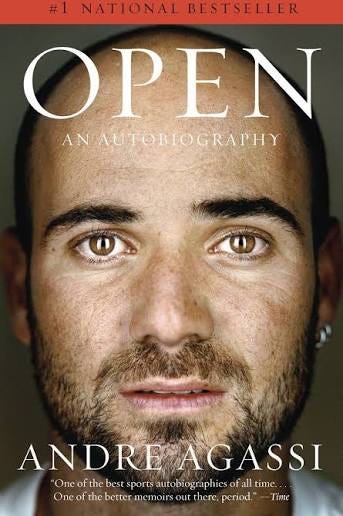
He didn’t want to move across the country to a tennis academy or be isolated from his friends and family which were his only oasis from the sport. It didn’t matter, his father decided he was going to do this, so he went. The training Andre did put him ahead of everyone else, who were among the best young tennis players in the country.
This dominance carried over to tournaments, where he was beating professionals as a teenage amateur. He turned professional at 15 and never looked back. Within a few years he was among the top ranked players and regularly competing for Grand Slams. Despite the success, he never felt at peace or enjoyed tennis. His entire life he played tennis because he had to, not because he wanted to. His father decided for him he would be a tennis player and once he turned pro, he had no other career opportunities as a high school dropout.
Fear of his father and failure were enough to carry him to an elite level because of the work he put in. However, he didn’t become great until he discovered love.
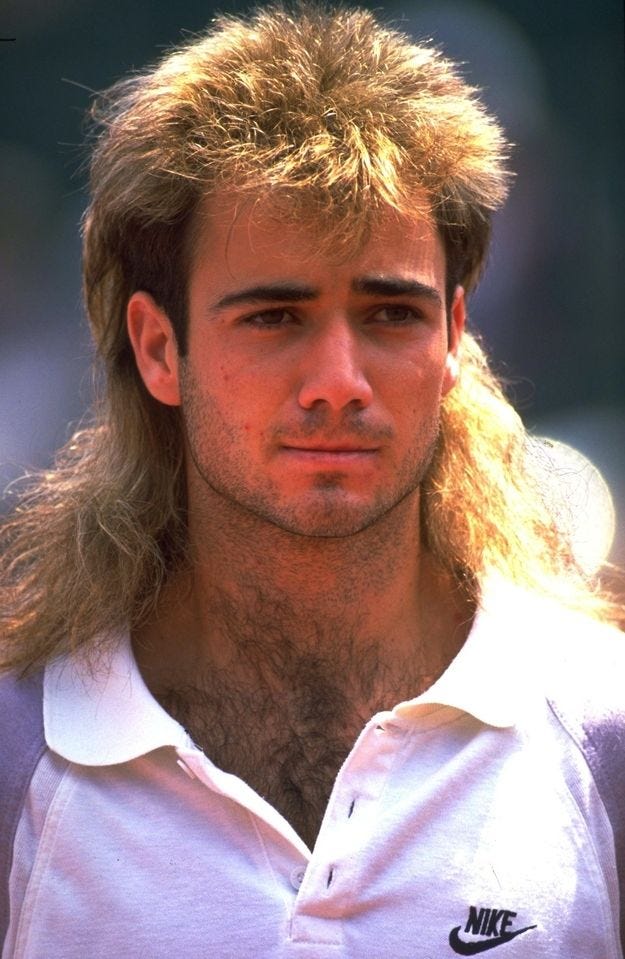
(The only love he had was for his hair, which was unfortunately balding. Can you blame him?)
The Role of Love
Andre had a tight circle of friends that filled the void left from his father. If not for them, Agassi likely would have flamed out early on. His older brother, childhood best friend, a former Pasteur and his trainer Gil all played critical roles in his professional and mental wellbeing. They took care of everything outside the tennis court.
As his profile grew, Agassi to deal with the pressures of the sport, needed more love that his entourage could bear. He sought romantic relationships. He briefly thought he found it with Brooke Shields, who he would eventually marry, but he quickly realized he was wrong. She didn’t understand him, nor could she help him. If anything, her celebrity profile and lack of interest in tennis made it more difficult for Agassi. Shields was trying to revive her own acting career, and was looking for a similar level of support from Agassi, who wasn't in a position to provide it. What brought them together was their mutual fear of their overbearing parents and failure. They were both lacking love and couldn’t find it in each other. This is why both became depressed and their careers suffered. Agassi persevered though.
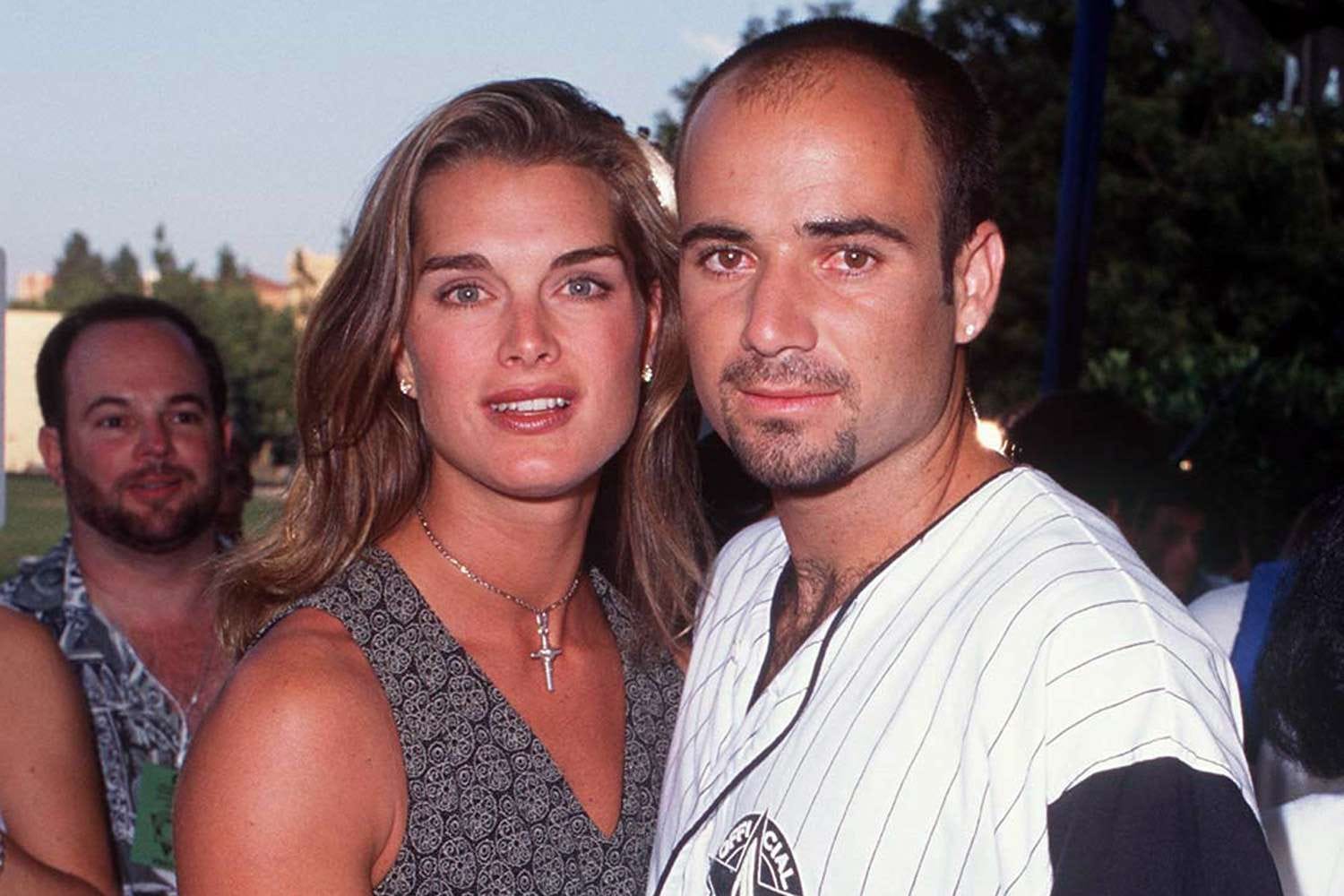
(They look happy)
Shortly after splitting from Shields, Agassi found a new objection of his affection. The tennis star Steffi Graf. She had previously ignored his romantic advances and was in a long term relationship, but Andre with encouragement from his team pursued her any way. His pursuit was eventually rewarded and once they started dating, they immediately realized how aligned they were. Steffi was near the end of her career at this point and had nothing left to prove. Graf had been the number one ranked player, won many Grand Slams and knew she would retire as one of the best woman’s players ever, yet one of her greatest contribution to tennis was the counsel she gave Agassi.
When Andre told her how he hated tennis, her response surprised him. She said of course he hated tennis. Nobody enjoyed spending every waking second training, practicing or worrying about what they can/can’t eat, dealing with the media etc. This was a common feeling amongst the professionals. Yet she said he wasn’t acknowledging the parts he loved about tennis.
His entire career he looked at tennis as something he was forced to do and he did it. Perfectionism made him hate tennis. He hated losing points and felt little satisfaction when he won them, since he expected to (sounds like prospect theory).
His approach brought him success without joy, since it felt like an obligation. Their relationship, reinvigorated him at a time when he should have been contemplating retirement. Instead he got a second wind and in his early thirties won a few more Grand Slams and recaptured the number one ranking, ultimately played until he was 35, well past his contemporaries. By this time he had two children and a loving relationship with Graf. He finally had something to play for.
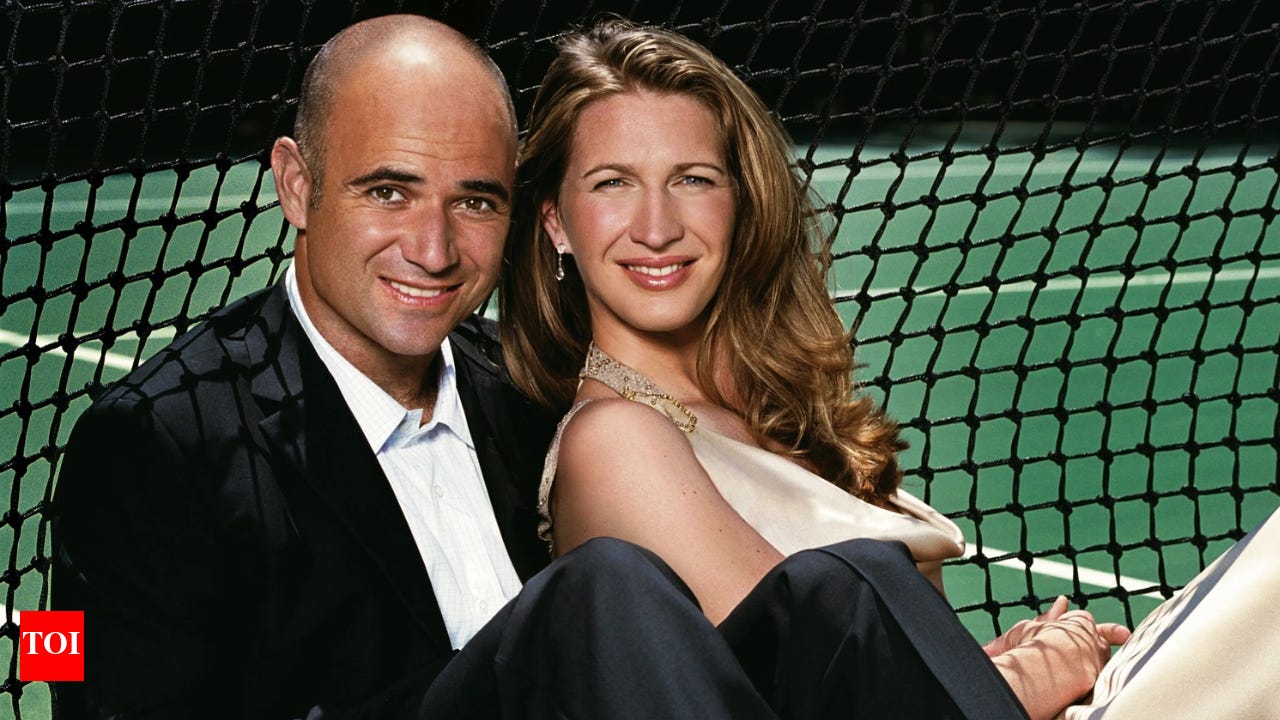
With the shift in mindset of treating his profession as an obligation, rather than a craft he has the privilege of honing, he finally had the right balance between fear and love. It was during those final years, where the fans and sports writers who long wrote him off as a punk and an underachiever, changed their tune and in turn loved Andre too. This further motivated Agassi.
Although near the end his body was barely holding together, he couldn’t let go from the sport he spent such a long time hating. Fear got him to his knees, but love got him to his feet.
Many people start with love for their craft but quickly replace this with fear. This fear can help for a time but once they reach the top of their profession, the difference between the very best and the excellent is so thin, only those that love what they do can ascend. Being able to wake up and find joy in what you do is the not so secret to success.
If you want to be better than everyone else, you need to put in more time, work harder and get very lucky. The more time and hard work you put into your craft, the more luck will be able to find you. You have to remain persistent long enough to give luck a chance. If you don’t love what you do, you will give up too early, eliminating the possibility of luck breaking your way and giving you the outcome that will make you great.
Federer and eventually Agassi both learnt they didn’t need to win every point, perfection wasn’t necessary. Just systemically showing up, giving their best effort and loving the process. This is why they are among the few we will always remember.
Thank you for reading. If you liked this article please Subscribe below. I publish articles on a wide range of topics from business, books, current events or anything on my mind.