

As I sat in an overpriced beach chair staring off into the Adriatic sea, I wondered if this was heaven?
If it were to exist, why couldn’t it be in Budva, Montenegro? The town has a population of 17,000 inhabitants but a seemingly endless supply of coastline and delectable seafood. This seems like the correct ratios for the celestial realm.
Peak season in Budva felt far less crowded compared to San Sebastien, Dubrovnik, the Cyclades or the Amalfi coast. It’s not surprising, flight routes make it arduous to get to Montenegro. I needed 2 connections to travel 1,000 KM.
There were, inevitably, a few loud Italian and French tourists. Those are unavoidable. Fortunately, they were spread across different sections of the beach. This is preferable. When these two groups come into contact, dangerous chemical reactions can occur.
The relative lack of distraction allowed me to advance in my reading, which happened to be about the history of speculation and financial bubbles. I couldn’t help but notice the similarities between the way people overcrowd investments and vacation spots. Both offer value at the start, but as more people partake, it quickly erodes.
Tulips are nice if you buy them for a few dollars and plant them in your garden. At thousands of dollars per bulb, nobody is putting them in the ground. The same logic applies to crowded tourist destinations. Santorini and Capri are beautiful. That is unfortunately why everyone is trying to get there.
If you want to find great investments or vacation spots, you can’t look where everyone else is. Consistently making good investments takes time, effort, and a willingness to look slightly off the beaten path. Finding beautiful, affordable places that have not yet been completely ruined by crowds requires the same thing.
Keep reading to learn the link between vacationing well and beating the market.
The Book I was Reading on the Beach:
Devil Takes The Hindmost by Edward Chancellor
Cool Book You Probably Haven’t Read:
The Gray Lady Winked by Ashley Rindsberg
*Note: To ensure you don’t miss my emails please star or reply to this message
In case you missed them, here are some other recent articles to check out:


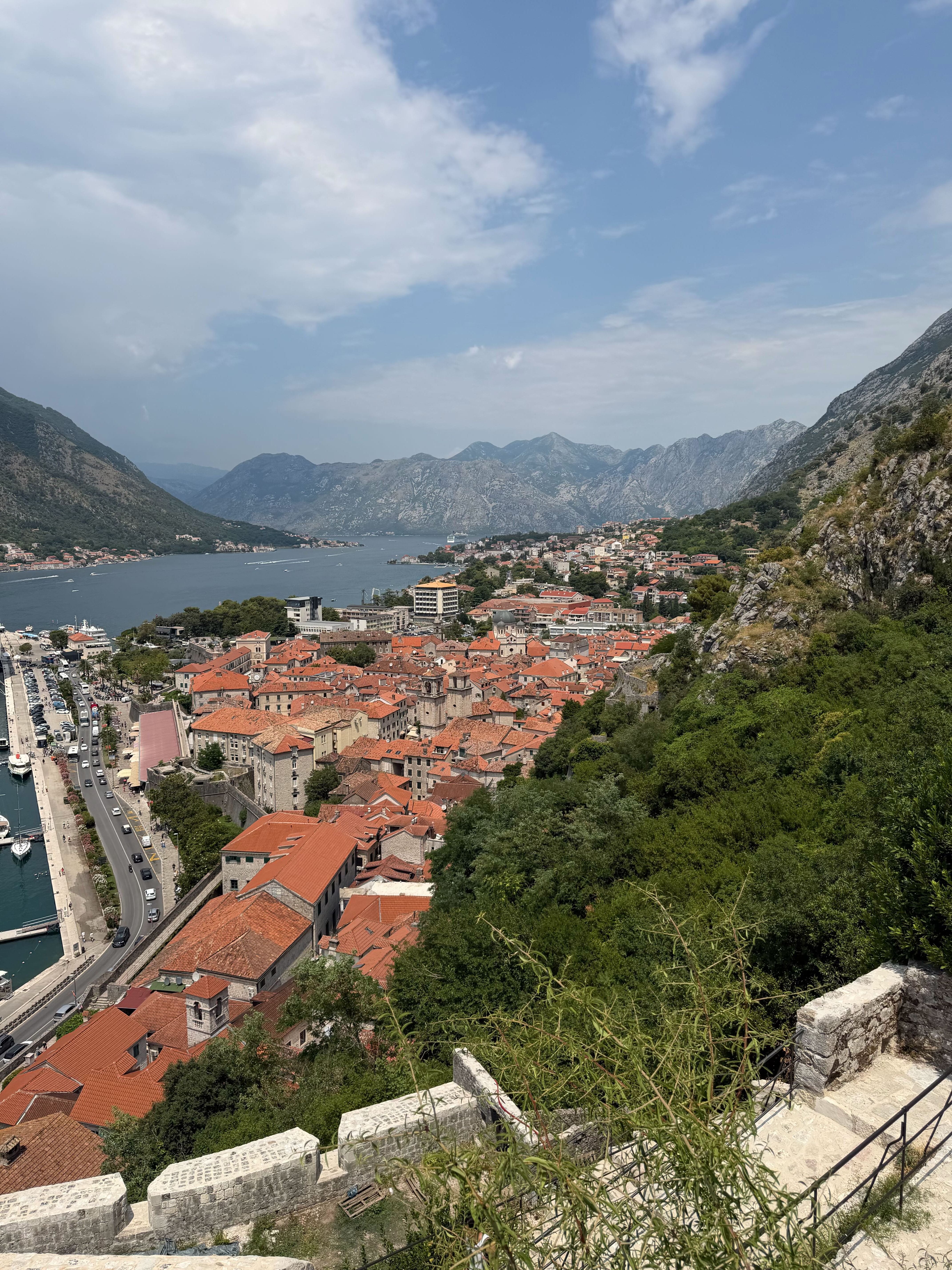
Montenegro is a beautiful Country
Despite being the size of Connecticut, Montenegro is seemingly a non-stop collection of beautiful views. Whether you’re into beach, mountains or forest, they have all in great supply. I was in Budva, along the beach, just a short boat ride away from Dubrovnik. Budva feels like a mini version of Dubrovnik, with some similarities to Santorini. Just many more clubs, casinos and shirtless bald men smoking cigarettes at 9AM. No, they did not actually film Casino Royale in Montenegro, although they certainly could have.
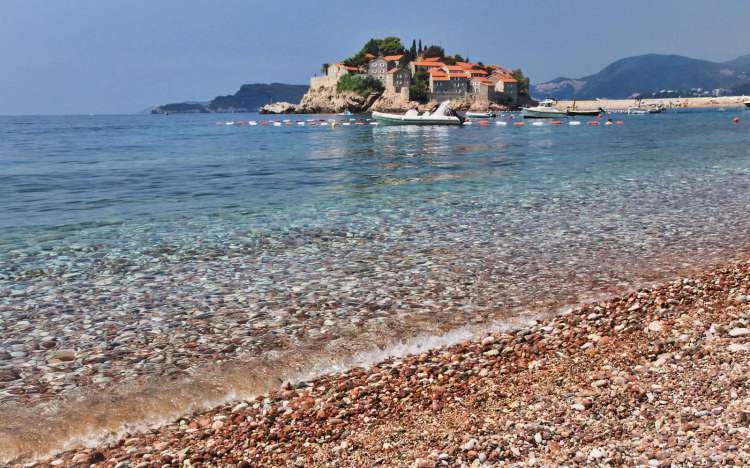
Montenegro is the living embodiment of a place benefitting from the end of The Golden Era of Travel. While cruise ships can dock in Kotor, the port of Budva doesn’t have room for them, which limits how busy the town can get. This coupled with difficulty to reach the country via plane, adds enough friction keeping the worst kind of tourists away. The lazy travellers who want everything pre-packaged and booked by their travel agent/LLM before they arrive. God forbid they encounter anything unfamiliar or a language other than English.
In the case of Montenegro, pretty much everyone I encountered spoke English. Although it helps curry favour with the locals if you can speak Montenegrin or another West Balkan language. I suspect locals charge western tourists higher prices.
At the beach, the waiter quoted me 20 euros for a chair, after I sat down his colleague told me it was 30. The group of young local women nearby were charged 15 while the middle aged British couple were charged 40. They said it was 20 yesterday and 10 the previous day.
Initially I didn't like getting overcharged but it confirmed my hypothesis that Pretty (Male) Privilege does exist. It’s just less effective than being a young local girl.
Beyond widespread English and getting charged tourist price for beach chairs, Montenegro is pretty accessible as a travel destination, the difficult part is getting there. Seemingly few people are willing to deal with this inconvenience. Montenegro gets around 2.5 Million visitors each year, which is 5-10% of what Croatia, Portugal, Italy, Greece or France get.
This is consistent with my experience; even amongst regular travellers, I know few people that have been to Montenegro. Or Albania, Bulgaria, pretty much any country that doesn’t have regular direct routes from major Western European capitals.
This doesn’t mean they can’t enjoy their vacation. It’s just that it will be difficult to have a much better experience compared to the average traveler at these common destinations because of tourists traps, high prices, endless crowds and loud noises. This is not unlike the stock market.
It’s Never Different This Time
“The four most dangerous words in investing are: This time it's different.” — Sir John Templeton
There is nothing wrong with investing but when too many people decide they can get rich by trading instead of building something productive, markets become susceptible to bubbles.
What is a bubble? It’s when the asset you didn’t buy grows rapidly over a short time frame. When something you own experiences similar growth, that’s just the wisdom of the market working its magic.
The more asset prices are driven by the belief that some greater fool will pay more than you did, the more markets behave like a casino.
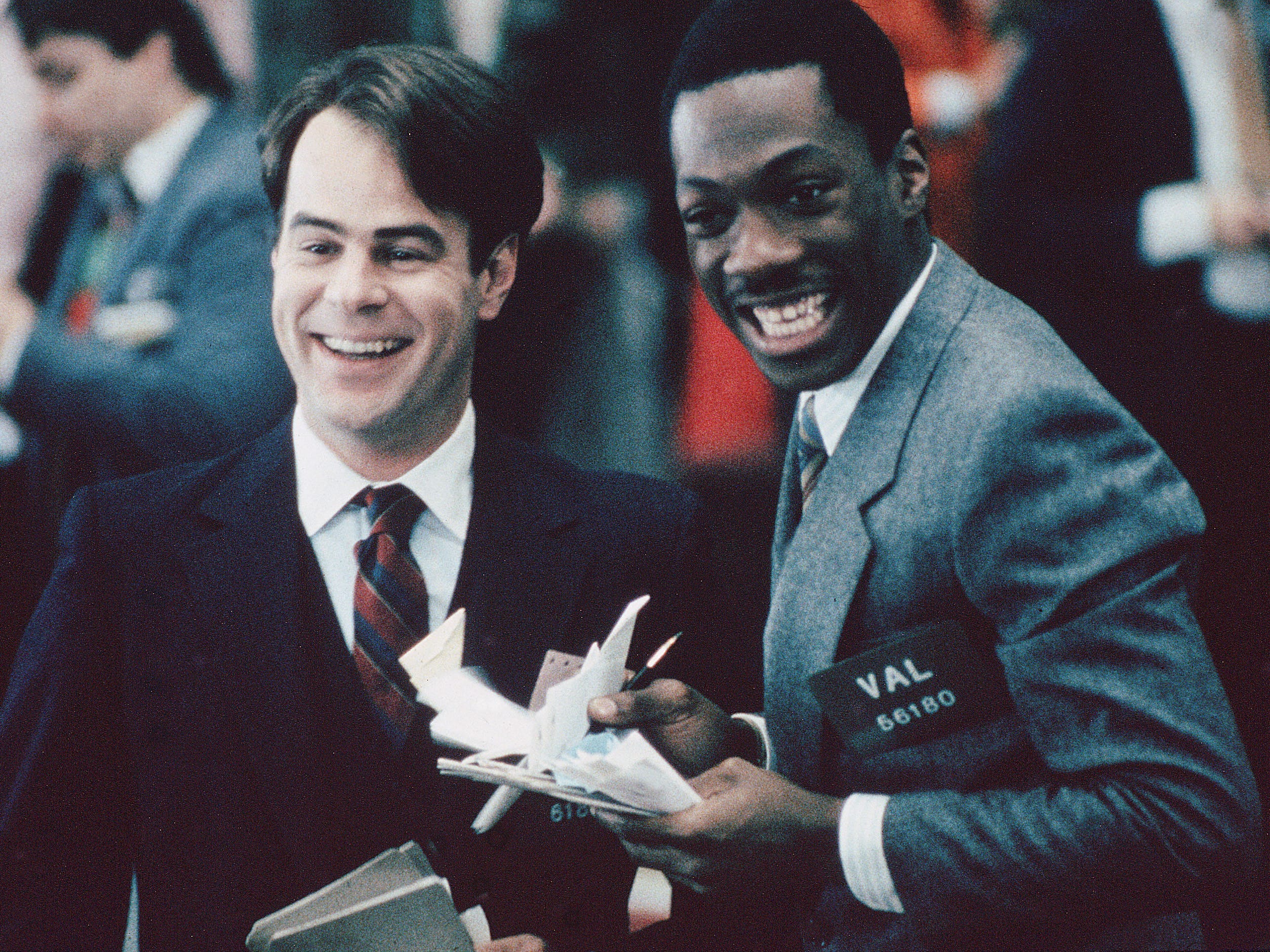
People are lazy and don’t like uncertainty. Finding good stocks, businesses, or assets with the potential to outperform is hard. It requires work, patience, and the humility to accept you could be wrong. There is no shortage of people seeking above-market returns but few willing to do what it takes.
Instead, people gravitate to assets that have already performed well. If something has gone up recently, it becomes easier to believe it will keep going up. These are momentum trades. They are psychologically comforting not requiring much imagination. Investors can outsource their conviction to the crowd. Everyone else believes in it, so maybe they should too.

(^ The average investor during a bull market)
In Thinking Fast and Slow, Daniel Kahneman describes how our brains are constantly searching for patterns, even when they don’t exist. Once something happens, it becomes easier to imagine it happening again. He gives the example of being less surprised the second time he bumps into a friend in a random place. Even if the chances aren’t any greater than seeing anyone else he knows. His brain has decided that friend has become the guy Kahneman sees in unexpected places.
Investors are no exception. SpaceX’s valuation isn’t based on the companies performance but rather the belief that there will be a lot of demand to buy SpaceX shares. It has gone up a lot recently, therefore it will continue so you should get in before you miss the upside. This self perpetuating belief can be reduced to some other fool will pay a higher price than you did, but of course you’re not the fool.
If you want outsized investment returns, you need to be willing to take a chance on something that isn’t already universally accepted as a sure thing yet. The more certain an investment feels, the more competition there will be to own it. This buying pressure increases the entry price and reduces future returns. The best opportunities are usually found in assets that are priced less certain than they actually are. The market expects X, but you strongly belief it will do Y. This is why by knowing an industry or asset better than most people, you will have an advantage.
The not so big secret in investing is that if you want to beat the market, you need to tolerate more boredom, pain, and uncertainty than the average investor. Warren Buffett when asked by a group of students how to become a better investor responded to read 500 pages of annual reports each day. He knew none would follow his advice.
You need to look where other people are not. Anyone can harvest oil if it’s sitting at ground level. To make real money, you need to drill deeper. So I’m told. The closest I’ve been to an oil field was an olive farm.

Investing and finding great vacation places work the same way. The further you get from the herd, the more potential there is for alpha. This does not mean every decision will be a winner. Some obscure stocks are ignored for good reasons. Some off-the-beaten-path destinations are cheap because they are inconvenient, boring, or mildly cursed. That’s okay. The goal is not to look smart every single time. The goal is to win over the long run.
Would you rather visit 20 different countries/cities or return to the same safe tourist destination each year? Some will disappoint but every so often, you end up sitting in an only midly overpriced beach chair in Montenegro, eating fresh seafood, staring at the Adriatic, glad you aren’t fighting for a reservation in Cannes.
If you want interesting vacations, don’t build your itinerary from Instagram influencers, cruise ship routes, or the first page of a travel guide. By the time a place becomes obvious to everyone, the things that made it worth visiting are overbooked and overcrowded.
The stock market is no different. Any stock tips you hear at the hair salon or auto shop, aren’t worth pursuing. By the time an investment feels obvious, safe, and socially validated, much of the return has already been captured by someone else. Like most things in life, the best returns come before the crowd arrives.
Thank you for reading. If you liked this article please Subscribe below. I publish articles on a wide range of topics from business, books, current events or anything on my mind.