

I’ve spent more than six figures on Uber.
Even if a good amount was expensed, that’s a lot of money. It’s been my go to ride hailing app for more than a decade and giving Uber Eats to a dude in his early twenties with disposable income should be considered legal entrapment.
When one of my jobs let us expense dinner for working late, I was ordering 5+ times per week. There were occasional delivery mishaps but Uber was reliable enough that I didn’t question my loyalty. I never downloaded Lyft or Doordash despite their aggressive subsidies. I even got their membership Uber One once they released it. I’m an ideal customer. A couple weeks ago, they did something that made me reconsider.
As I was ordering a private car to get a sandwich delivered to me, I decided to add drinks to my order. I didn’t notice they were being fulfilled from a different location, for which I would have to pay another delivery fee. The product designers successfully tricked me, well done. I don’t mind paying for overpriced for delivery but $12 for for 2 cans selling for $4 at the corner Bodega is where I draw the line.
I tried to cancel the order, which used to be an easy thing to do. With their recent changes I had to chat with an agent, which by the time I connected, they said it was too late to cancel since the store accepted the order. These were two cans with no preparation involved or spoilage, they could be re-sold to another customer.
I explained this to two customer service reps but they said too bad. Uber has cancelled orders on me after a merchant had accepted before, this was clearly a choice. They used to be more generous with their refund policy, understanding mistakes happen. The inability to consider the circumstances, shows the bureaucratic group think plaguing the customer service department. A smart customer service rep would have realized it was a $12 charge for somebody who spends thousands per year. It’s better to eat the cost than to risk alienating me. Instead like in many big company’s’ they replaced individual human judgement with broad policies because at scale it’s easier to control. They don’t trust judgment.
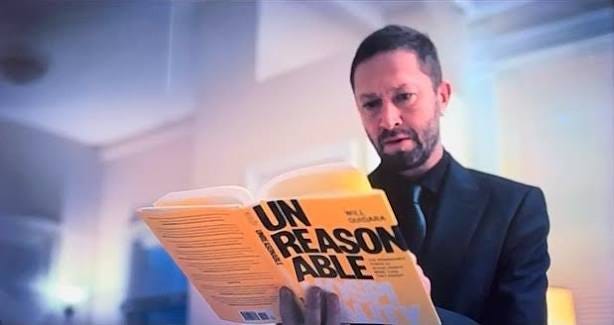
That’s unfortunate because while Uber isn’t a luxury product, they should still take a lesson from the way Las Vegas Casinos treat high rollers. In the book Unreasonable Hospitality Will Guidara, who helped turn Eleven Madison Park into one of the world’s best restaurants, argues that the best businesses don’t just deliver the product well. They make customers feel unusually understood and cared for. Sometimes that means spending a little money or breaking from normal procedure to create an outsized emotional return. This creates tremendous brand loyalty, that will keep people returning and share their experience with other customers.
Rules are useful, but rigidly following them can be stupid when an employee sees an opportunity to create more long-term value. The Uber support team is going against the principles of Unreasonable Hospitality, which is a shame because it undermines Uber’s own strategy.
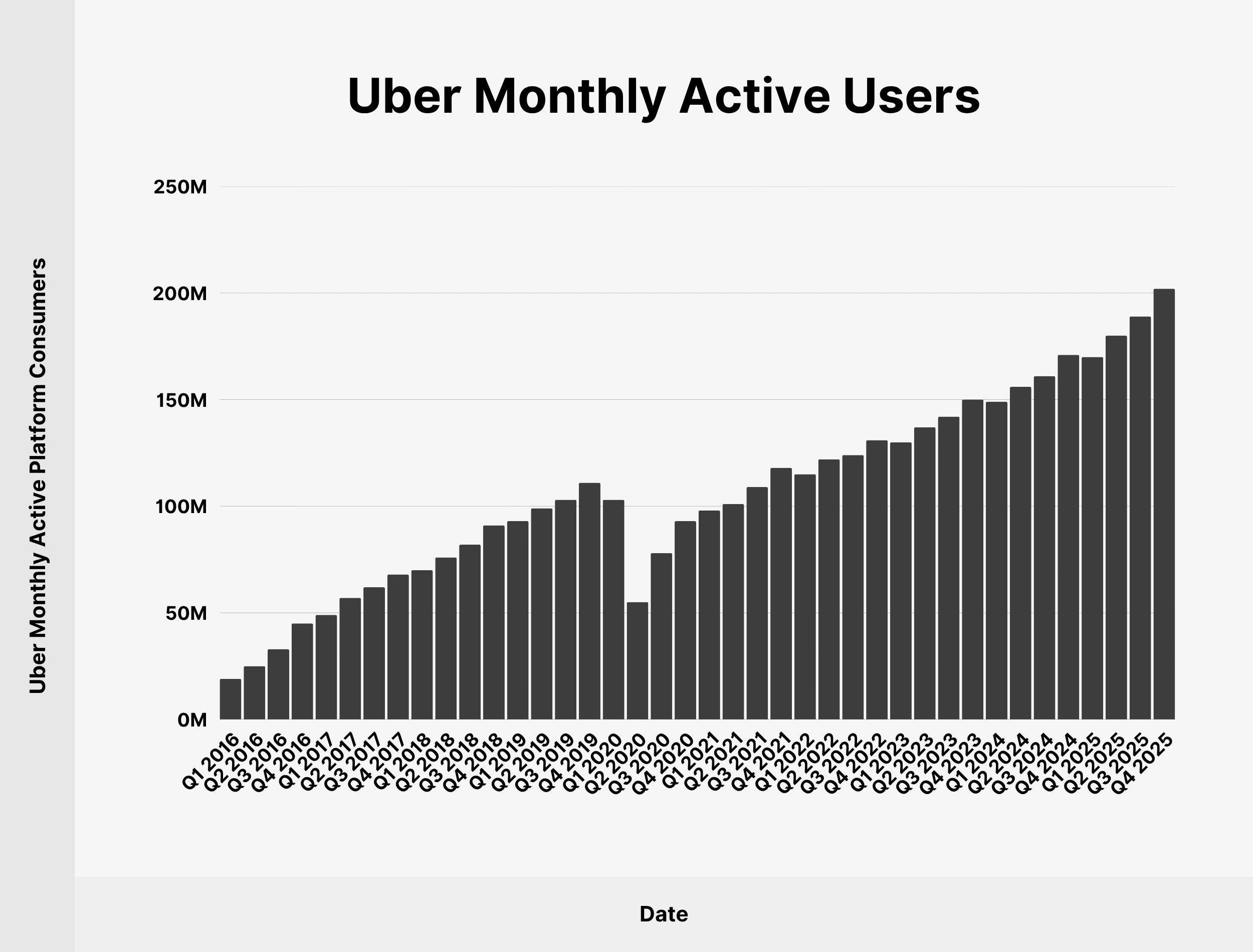
Uber began as a ride hailing application, taking a fee from each ride booked through their platform. More rides = more revenue. They expanded to food and grocery delivery which economically worked the same. All their revenue was transaction based until they launched their membership program, Uber One in late 2021.
Modelled after Amazon Prime, users pay a subscription in exchange for lower fees and other benefits across Uber’s products. The subscription revenue is useful, but not really the point. Uber gives a good part of that money back through discounts to encourage members to increase their use of the platform. They needs this.
Let’s assume the average transaction (gross booking) is $30. Uber only gets about $6 (20%) from that, with the balance going to the driver, restaurant, taxes and other fees. From that $6, $3.40 (60%) goes to incentives for restaurants, drivers, customers and other ecosystem players. This leaves Uber with $2.60, about 9% of the gross booking or 40% gross profit from their cut. This is lower than typical software companies in the 60-90% range depending on what accounting slight of hands they like to pull. Considering Uber has ~35,000 employees and has to spend billions on marketing, the only way their model works is with very high volumes.
Uber One reached 50 million members earlier this year, which at $100 annually generates an extra $5B. This is helpful but on $60B in revenue, the bulk is still coming from transactions. If Uber makes less than $3 per transaction, the membership contributes as much to the bottom line as a user doing 3 monthly transactions.
Yet Uber One is highly successful. Their 50 million members are responsible for half of all Gross Bookings across Mobility and Delivery and spend three times as much as non-members. The more engrained a behavior is in somebody’s routine, the harder it is to break. An Uber One member is more likely to maintain or increase their spend compared to getting a non-user on the platform to become even an infrequent user.
Just like in a Casino, they need to spend a lot of money to get people through the door but they don’t generate profit off people playing one hand then leaving. It gets lucrative if somebody plays for hours and days, at increasingly higher stakes. This is why Vegas is happy to comp suites to high rollers, because missing out on $1,000 from the room is irrelevant if it produces five to six figures of expected gambling revenue.
Uber like a Casino, need more high roller customers. These power users bring the bulk of profits, compared to the long tail of users who only call an Uber a few times per year. They should be doing everything they can to keep the big spenders happy.
Instead Uber’s customer service is more in line with what you would expect from a business who discourages usage, such as Planet Fitness. Planet Fitness is one of the largest gym chains in the world, and their business model works because their members don’t show up.
For decades, big box gym chains would offer promotions to get people to sign up for a membership, usually around new years. These memberships would not be cancellable, locking them in for the year. By the time they can cancel, it’s next January and they’ve deluded themselves into believing they might use it the next year. This worked out great for the gyms. Eventually competitive dynamics drove prices down and allowed flexible cancellation. Planet Fitness was one of the most aggressive, offering memberships as low as $20 per month, low enough that it didn’t make sense to cancel if a member believed they would use the gym once per month.
Beyond dropping prices, Planet Fitness actively targets members unlikely to use the gym and dissuades gym rats. By offering pizza and unhealthy snacks, banning heavy weights, the bench press and other equipment enthusiasts would require they are actively trying to keep their locations empty. Replacing gym equipment is expensive, but if nobody uses it, it lasts longer. Planet Fitness gets the bulk of their revenue from the membership, so as long as people don’t cancel, which they don’t, they can be profitable and not worry about location constraints since nobody is ever there.
Planet Fitness’ operating margins of ~40% are about the same as Uber’s gross profit margin (on Uber’s Revenue, not Gross Bookings), so their model is pretty lucrative when done right. Unfortunately for Uber, they haven’t mastered the art of earning most of their revenue from a membership for something nobody uses.
Uber understands this better than I do, which is why it’s funny their support team discouraged my loyalty. In January, Uber CEO Dara Khosrowshahi told the WSJ that they were scrapping rigid rule-based systems and empowering AI to make judgment calls. “AI guided by context and “common sense” can deliver a better customer service experience rather than sticking to a rigid rule book.”
Either AI is not able to use common sense to provide a better customer service, they decided I am not enough of a high roller or it hasn’t made it to my region and I’m stuck dealing with humans lacking their own common sense or stuck following rigid rule-based systems.
Great businesses understand that losing minor amounts of money on small gestures isn’t an expense, it’s an investment. The Founder of Costco Jim Sinegal threatened to kill his CEO at the idea of raising the price of the hot dog from $1.50. Sinegal understood the hype around the cheap hot dogs and the loyalty it inspired was more valuable than squeezing out a few extra margin points.

Uber’s customer support decision was an expensive one. They saved $12 but I deleted the app off my phone and decided to boycott Eats for at least the rest of the month. With my wife leaving town shortly after this episode, I likely would have ordered a handful of times. As I was doing research for this article, I got a promotion from DoorDash offering 40% off my next two orders. They will happily offer this because if I shift even a small percent of Uber usage to them, this is a positive investment for them.
Perhaps DoorDash or another provider could successfully convince me to abandon Uber permanently, costing Uber thousands of dollars per year. All because their customer support team doesn’t understand what business they’re in.
Thank you for reading. If you liked this article please Like, Comment and Subscribe below.
*Disclosure: Despite everything I just wrote, I am currently an UBER 0.00%↑ shareholder. I don’t want to get in more trouble with the CFA Institute (overdue fees).
On the topic of Uber, its’ founder Travis Kalanick appeared on David Senra ‘s podcast which is worth checking out. Kalanick discusses his experience scaling Uber, doing business in China, dealing with VCs and his new company among other things.
If you don’t hear from me in a few weeks, it’s either because Uber’s comms team spends their time attacking Substackers with just over a thousand subscribers or the ghost of Travis Kalanick still does everything it can to protect the Uber brand.
I just deleted Uber for similar issues with Uber Eats. Their refund policy will often no longer cover when the store outright gets things wrong. Had it happen twice in a month where they'd only offer a $5 credit for orders for large groups where several items had issues, so I got rid of the app.
If you are daft enough to order a sandwich? You get no sympathy from me.