
Conferences can feel a lot like a nightclub. Instead of loud music and waitresses convincing you to buy overpriced alcohol, it’s filled with perky people trying to sell you overpriced software solutions for problems they assure you exist.
To stand out from the crowd, attendees will try all kinds of gimmicks, including dressing up in bee costumes, airline stewardesses or wearing sandwich signs. To entice people to visit their booths, they’ll offer fancy snacks, candy, video games. Things that would arouse suspicion if you did near schools or parks.
Seemingly nobody enjoys attending conferences, but there’s a reason they are a ~$500B+ industry. Companies must believe there’s a positive return or they wouldn’t host, sponsor or send their employees to these events. Axon President Josh Isner claims Axon Week, the company's annual customer conference, costs them ~$2M to organize but generates $300-500 Million dollars worth of pipeline.
Results may vary but undoubtedly trying to reach prospects via phone and email has diminishing returns, which is why businesses will pay a premium for in-person interactions. It’s easier to build rapport with somebody over a drink or craps table in an exotic locale compared to over Zoom. As much as technologists like to believe good products sell themselves, buyers will ultimately go with the vendor they trust. Incumbents and market leaders have an advantage because “nobody ever got fired for choosing IBM”, but salespeople are paid handsomely to tilt the buyer to their solution.
Nice haircuts, fancy watches and slick suits/dresses are cool, I guess, but trust is built by spending time together IRL. Would you marry somebody you’d only exchanged emails with? Unless this is a mail-order situation, probably not. You’d want to go on a few dates first. Convincing someone to make a six- or seven-figure financial commitment for the next three years isn’t all that different. Minus the cha-cha slide.
Of course some people have a difficult time distinguishing professional from personal interest. At a recent conference I attended, my colleague was trying to book demos but women were only interested in him for dinner (see Is pretty (male) privilege a thing?)
This is the problem when thousands of salespeople are thrown into the same building and told to manufacture sincerity; everyone starts behaving like cringe weirdos. Don’t be one of those people.
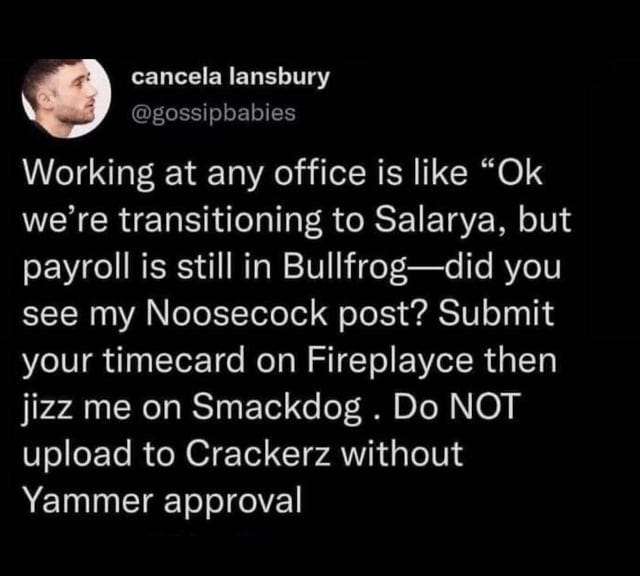
How to Maximize Your Conference Experience
The worst time to figure out what you’re doing at a conference is when you arrive.
Walking around the exhibition hall hoping to accidentally bump into the perfect prospect is like expecting the deer to strap itself onto the hood of your car when you go hunting. It could happen, but it probably won’t.
To avoid circling the conference floor awkwardly, you need to start your prep weeks to months in advance:
A few weeks before the event, announce that you’re attending and be specific about who you want to meet. Search LinkedIn, X or other social media channels for people talking about the conference, including posts from previous years. Look at who liked and commented, identify the people with relevant job titles and start reaching out directly. Some conferences will share attendee lists in advance, which is even easier.
You want your high priority meetings booked in advance of the conference. At a minimum, you want to already be engaging with the people you want to meet with. Once you get to the conference, the scarce resource isn’t access, it’s their attention.
There can be potentially hundreds of vendors competing for the same buyers and profiles. After speaking to 15 Brad, Chad and Thad’s trying to push expense management software, even the most patient buyer doesn’t want to hear your pitch, they’re thinking about how to maximize their per-diem.
Ideally they are already familiar with you in advance, that way you can treat the conference as an excuse to accelerate conversations that would otherwise take months. High level executives (real ones), are difficult to schedule. If you try to get their EA to slot you in for touchpoints, alignment calls etc. you’ll see your deal drag for months and quarters.
Unless your company has crazy money to allocate to events, you’re usually better off skipping the booth. It depends on the event, but the economics rarely make sense. A booth can cost anywhere from 5-20X the price of a conference ticket. Booths can help a bit with brand awareness/visibility and get some foot traffic but if you’re hunting for whales, Shamu probably isn’t coming to your booth.
Just like in a nightclub you’re going to have a tough time approaching random groups admis of conversation. You need to find ways to catch people while they are isolated to have individual conversations. But pick your moment. Accosting people at the urinal is not going to give you a good first impression. Similarly if you see somebody on the phone or trying to grab a quiet moment for lunch, circle back.
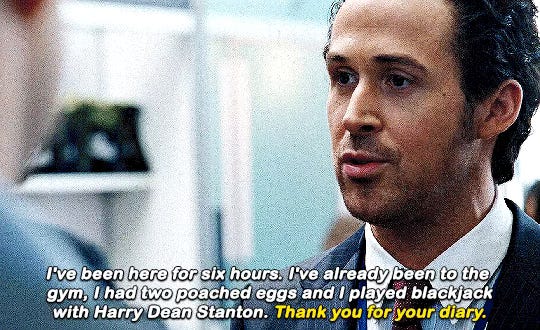
If you did your prep well ahead of time, you’ll recognize people and already have things to say if you find yourselves alone with them. You need to be able to convince somebody within 20-30 seconds that you are worth sitting down with for 15-30 minutes. If you can’t, either your pitch sucks or you aren’t targeting the right people.
If your elevator pitch lands and they agree to a longer meeting, make sure the person comes away liking you and believes in what you’re offering them. Try to not come off as a sleazy car salesperson. Everybody knows conferences are transactional but try to not make it seem too obvious that you are making the same pitch 50 times. At least make it seem like you’re genuinely interested in them. This advice would also work for those still trying to meet people at night clubs.
After the meeting itself, make sure you follow up with next steps the very same day, even if it’s after midnight but try to avoid writing emails while still drunk. The person reading it probably won’t be in the same state. Sober or not, they might not respond until after the conference but you want to ensure they don’t forget about your discussion, which after hundreds of conversations crammed into a few days is likely. If they don’t respond to your initial email, give them a few days after the conference, they need time to get settled.
If they give you their phone/WhatsApp number, don’t make them regret it by spamming them with messages. Nobody likes to get unsolicited calls from vendors so use this privilege sparingly. You might need to follow up with them several times and that’s okay but if they aren’t responding to any of your follow-ups after a few weeks at a certain point you need to accept they just might not be that into you. Yes, I’m still talking about conferences.

Don’t book every minute of the day. Conferences are one of the few places where serendipity is possible. The person you came to meet might introduce you to somebody considerably more useful. You might bump into somebody you didn’t expect that invites you to a dinner with good prospects. You might end up next to the CEO of your biggest prospect at the blackjack table (if you play the same stakes). Leave enough slack in your schedule to take advantage of things you couldn’t have planned.
For a few days, thousands of people who would be difficult to reach are suddenly drinking coffee in the same building. Your job is to put yourself in enough of the right situations for something useful to happen.
Prepare aggressively before you arrive, know who you want to meet and make sure people know who you are. Once you’re there, be likeable and be memorable. Listen more than you pitch. Have a few drinks, but not enough to become infamous. Follow up with the people you spoke with and accept your pitch isn’t going to resonate with everyone.
You don’t need a bee costume, a sandwich board or a booth with a Formula 1 simulator to get noticed. In an environment where everyone is desperately trying to manufacture sincerity, behaving like a normal person is the best gimmick of all.
Thank you for reading. If you liked this article please Subscribe below. I publish articles on a wide range of topics from business, books, current events or anything on my mind.