

Last weekend I was a groomsman at a wedding hosted at the Four Seasons.
Prior to the ceremony we went to the hotel restaurant for photos, where a boozy brunch was underway. The crowd was comprised of the exact people you would expect at a Four Seasons restaurant. Influencers, cougars and balding men looking to mingle.
With a few exceptions, there was a strict adherence to all-white dress code, which made the six of us in our classic black tuxedos stand out. Since most of us still have our hairline intact, we were welcomed, but we couldn’t avoid being subjected to questions about the wedding and why weren’t we wearing white?
For more than a century, one of North America’s widely accepted rules of etiquette has been that you’re not supposed to wear white after Labor Day. Most people are aware of the rule but far fewer know why it exists.
As the name implies, Labor Day originated with the labor movement of the late nineteenth century. Industrial workers were fighting over hours, wages, safety and the basic right to organize.
In Canada, one of the movement’s defining early moments came in 1872, when Toronto printers went on strike demanding a shorter workday. They didn’t get it but the controversy helped push the government to legalize trade unions. A decade later, New York held its first Labor Day parade. The idea spread until both Canada and the United States officially recognized Labor Day in 1894.
Most of the employment standards we now associate with the labor movement, including the eight-hour day, weekends, overtime rules and modern collective bargaining protections, came later. Labor Day wasn’t a victory lap announcing that workers had finally gotten everything they wanted. It was recognition that labor had become a political force governments couldn’t ignore.
Now you might be wondering what’s the connection between a holiday dedicated to workers and the deadline for what type of clothes you can wear. They are unrelated.
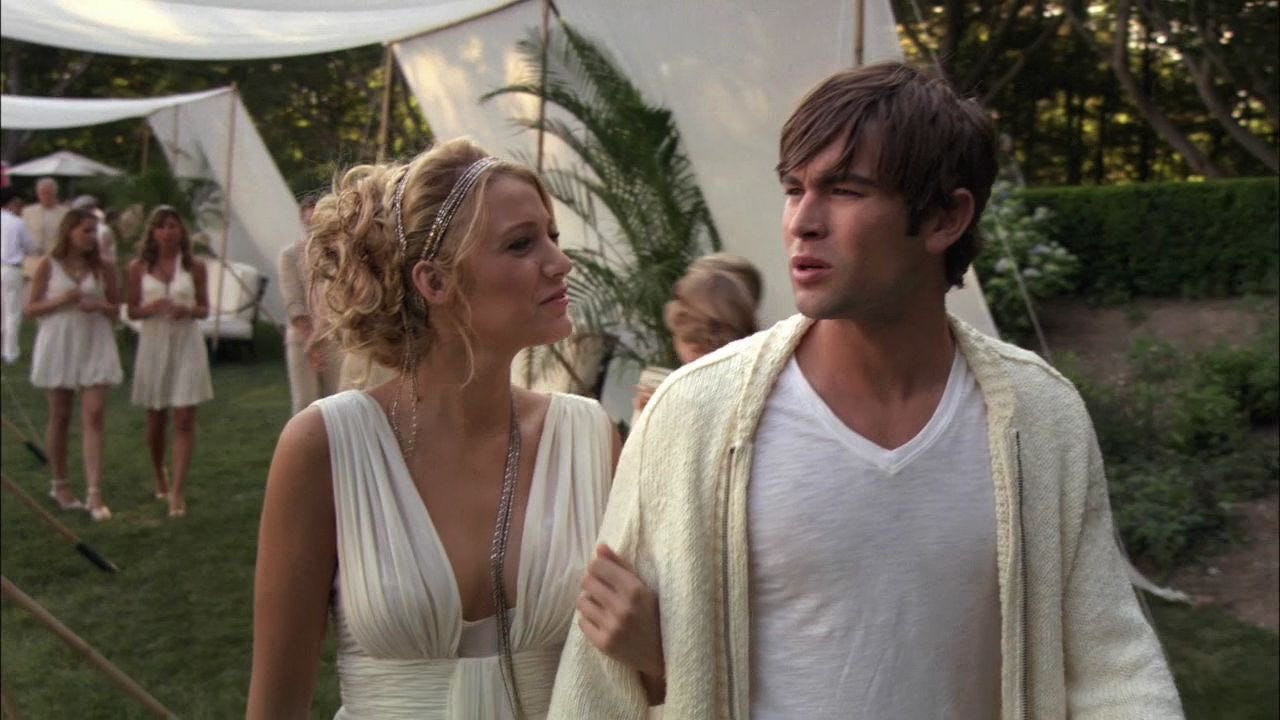
When Labor day was established, affluent families on the East Coast were already spending their summers in places like Newport, the Hamptons and seaside resorts. Heavy city clothes were replaced with linen suits, white dresses, tennis outfits and other lighter summer clothing. This wasn’t purely a stylistic choice, this was before air conditioning, and this type of clothing was cooler in the sun.
Yet white became a status symbol because it was impractical. People spending their days in factories, loading cargo, working on a railway were not opting to wear immaculate white linen suits. White is kind of a flex. It shows you don’t need to worry about getting dirty.
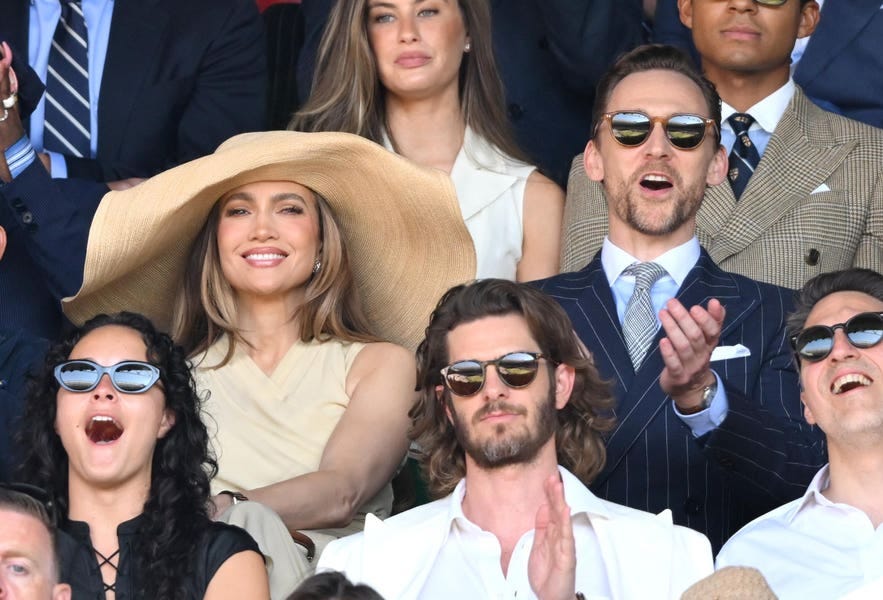
For the Hampton crowd, their closest encounter with dirt might be a cloud of clay dust kicked up from the tennis court. Not coincidentally, some of the most traditional private tennis clubs still insist on an all-white code. Only recently was this restricted to clothing, which you can see on clear display at Wimbledon which maintains one of the strictest version of it today. These quiet signs of status remain, even outside exclusive private clubs. Yet these quite signs of status remain, even outside of exclusive private member establishments.
When summer ended, wealthy families returned to the city. Their white resort clothes went into storage and the darker, heavier clothes associated with fall and urban life came back out. Labor Day happened to sit almost perfectly at the transition point.
Eventually knowing when to make that switch became part of etiquette. In a society where old money was constantly looking for ways to distinguish itself from people who had recently acquired it, knowing seemingly arbitrary rules was useful. Anyone could buy the clothes. Knowing when you were allowed to wear them demonstrated that you belonged.
The rule eventually spread far beyond the people and places that created it. Someone living in a warm part of the continent could be sweating through a 30-degree September afternoon and still be told it was inappropriate to wear white because wealthy Northeasterners a century earlier had declared summer was over.
White parties turned the tradition into something even more literal. Sean Combs (P. Diddy) started hosting his famous White Parties in the Hamptons over Labor Day weekend in the late nineties. Hundreds of celebrities and socialites showed up dressed entirely in white for what would become a defining event in the Hamptons social scene. These days, I don’t think many people are trying to get invited to a Diddy party regardless of dress code.

Michael Rubin, CEO of Fanatics, has kept the Hampton white party tradition alive but he hosts his around the Fourth of July. Outside the Hamptons, there are many similar events worldwide and they aren’t limited to summer months.
Across the Atlantic, the rules developed differently. Europe has plenty of its own etiquette conventions including what you can and cannot wear, but “no white after Labor Day” is a North American convention. Most European countries celebrate their Labor day equivalent in May, which makes such an expression meaningless to them.
Today, of course, few people still subscribe to the belief you can never wear white after Labor Day. You see plenty of white wool, cashmere, and sneakers in fall and winter without too many eyebrows being raised. Yet people still say you can’t wear white after Labor day.
The most durable rules and sayings aren’t necessarily the ones that still make sense. They might have had a place at some point but they’ve been repeated for so long that we forget the original purpose.
A century ago, white clothing helped distinguish summer from winter, resorts from cities and leisure from labor. Today it mostly distinguishes the people who know the rule from the people wondering why anyone cares.
Thank you for reading. If you liked this article please Like, Comment and Subscribe below.
This is heat 🔥 I’m not as privy to the nuances of clothing social norms (my wife helps me out in that category), but definitely notice when people start to wear more boots more frequently while the pumpkin spice lattes come out of hibernation
I coincidentally transitioned from my summer to normal wardrobe today without knowing about this. In summer I wear mostly white pants and shirts, but the rest of the year it's blue jeans, button up shirts, and blazers. Weather primarily dictates this, as if it's too hot I'm not wearing a blazer.