

I took my dog for a walk on Christmas Day. After nearly three hours outside in below freezing temperatures, I figured we had earned a break somewhere warm.
As we waited in line at my favorite café, one of the few places open, I realized I had a problem. I had left my wallet at home. No cash. Apple and Google Pay disabled on my phone (thank you Edward Snowden). I was empty handed. My dog was just getting comfortable, and it was my turn to order.
So I did something that felt illegal. I asked the barista, someone I see several times a week, if I could have an espresso now but pay for it tomorrow. My own version of Buy Now Pay Later (BNPL), but without interest. I could feel the judgment from the people in line. I was violating an unspoken rule. Hobbes would have been spinning in his grave. To his chagrin, I imagine, the barista said “sure” and made my coffee.
Sitting there, quietly enjoying it, I noted how rare that kind of exchange has become. A business had handed over a good without collateral, without a credit check, without verifying my identity or my ability to pay.
They did it based on trust. Not faith in an algorithm or a payment processor, trust in my character. A belief that I was the kind of person who would come back and make good on my word. Which I did.
Before credit cards and globalization, this kind of arrangement was commonplace. Banks lent to people they knew. Shopkeepers extended credit to regulars. Trust was not abstract. It was local, personal, and built over time.
Since then, trust has experienced Weimar Republic levels of inflation. Financial intermediaries and oceans of data have rendered trust optional. Transactions no longer require character, only credentials. As society has expanded, it has shifted from high-trust relationships to low-trust systems, relying less on who someone is and more on their collateral, capital, and capacity to pay.
This is why a person’s word no longer buys what it once did. Social credit has been replaced by formal credit. Reputation matters less when every interaction is mediated by platforms and scores. The benefits are obvious: more customers. more commerce. Less friction. However, when people believe there are endless opportunities, relationships become transactional. People are interchangeable. Burning bridges feels inconsequential when it seems like there are unlimited crossings.
The modern economy doesn’t care about character, their systems don’t need it. The apathy towards character extended to social interactions as well.
This article will explain how the modern economy, built on the four Cs of Credit Capital, Capacity, Collateral and Character, no longer cares about the latter, and the downstream effects on society.
Keep Reading To Learn Why Nobody Values Social Credit!
But first, make sure to hit the Subscribe button to join 1,000+ other Subscribers that get Serviceable Insights delivered directly to their inbox each week.
If this week’s article does not interest you, please check out some other recent ones:


What is Credit?
Credit 101 — The Driver of The Financial System
Credit is the ability to receive something today based on the expectation that you will make good on it later. It is a claim on the future, granted in the present. Exactly like the coffee I received on Christmas Day, that was paid later.
When finance people think about credit, their minds usually go to a company’s balance sheet. How much of a company’s operations are funded through liabilities, obligations that will eventually need to be repaid? Taking on more commitments than you can reasonably fulfill puts you at risk of defaulting on those promises.
Even when a borrower fully intends to repay a loan, many things can happen between the day the loan is made and the day repayment is due. Anyone extending credit understands that non-repayment is a possibility. That’s why, according to finance textbooks, lenders determine creditworthiness with a framework built around four Cs.
Collateral, Capital, Capacity and Character.
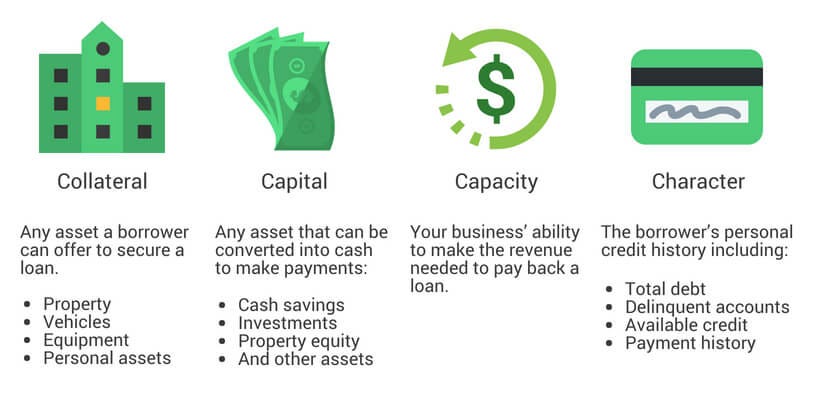
The logic is simple, a lender will extend more credit to somebody they believe is more likely to repay them. If a borrower has collateral, the lender can claim it if they default on the loan. This is why when you miss a mortgage payment the bank can kick you out of your house then sell it to somebody else to get their money back.
Banks and lenders don’t have endless time to kick people out of their homes, so they would rather avoid this. Therefore, in addition to securing their loan with a claim on the house, they will do an income verification check, expect the home buyer to own meaningful equity, via a down payment and ensure they don’t have other outstanding loans or a history of defaulting on loan payments.
Lenders can require additional covenants (restrictions) the borrower needs to abide by, but for the most part this is the logic that powers the mortgage market but also the $145 trillion global fixed income market. (We discussed this in How Private Equity Ruins Great Companies)
If a lender has less confidence in a borrowers’ 4 Cs, if the covenants are weak and other claims have priority, they will perceive a higher risk of not being repaid. In turn they ask for a higher interest rate. As the financial system has gotten more developed and interconnected, lenders have increasingly relied on this framework, and other quantitative measures instead of their personal feelings or trust in the lender.
It’s still a factor but financial actors are heavily scrutinized for lending practices by regulators and shareholders. As a result they reduce exposure to creditors with weakness in the other Cs. It creates an uncomfortable dynamic between regulators. Some want to reduce risk in the financial system, others want to reduce income inequality. These two goals can often run contrary to each other; it’s harder for people with limited financial resources to generate wealth if nobody is willing to lend to them. This exacerbates inequality and creates K shape economies.
Unfortunately, character is difficult to measure, audit, and defend at scale. Capital, Capacity and Collateral is not. Modern finance didn’t decide character was unimportant, just inefficient.
Outsourcing Trust
That same logic escaped finance and spread everywhere. In many cases, businesses know little about their customers. Nor do they need to care. Any person can enter a store or restaurant and pay cash. Money is the same to the business. When somebody pays by credit card, the business isn’t paid by the customer. Visa pays the business then it’s their problem to settle the balance with their customers.
Stores don’t need to decide if a customer is worth extending credit to because they’ve outsourced this to the credit card companies. For the cost of 2-3% of this transaction volume, they can get paid immediately. Businesses want to maintain a relationship with their customers, but since it’s credit card companies paying the bills, they don’t need to worry about creditworthiness anymore. Just their purchasing habits and preferences. Whether they have mountains of credit card debt or not, isn’t their concern so long as one of their cards doesn’t get declined.
![The Most Popular Payment Methods in the U.S. [Statistics & Data]](https://substackcdn.com/image/fetch/$s_!SENQ!,f_auto,q_auto:good,fl_progressive:steep/https%3A%2F%2Fsubstack-post-media.s3.amazonaws.com%2Fpublic%2Fimages%2F817b2e89-9dea-44b1-a0e2-4ccd43425e3c_1000x990.png "The Most Popular Payment Methods in the U.S. [Statistics & Data]")
Some will argue this is a feature, not a bug. Businesses don’t need to stand up entire underwriting departments, make gut decisions or worry about unpaid debts. They can focus on offering their product to customers and that’s it.
Yet without a deep relationship with clients, the exchange is purely transactional. They are a series of numbers in a database, hopefully spending more money over time. This is unfortunately not limited to business relationships, people are increasingly less concerned about who they engage with, since relationships are shorter term.
From Commerce to (Anti) Social Behavior
Behavior follows incentives.
People in big cities have deeper dating pools and can play the field longer before committing. If they are meeting people outside their normal dating circles, such as through dating apps or at a bar, they don’t feel like there are consequences if they break things off in an abrupt or rude manner. Such as ghosting.
Ghosting is when somebody unprompted stops responding to your messages. This mostly happens in a dating context but can also happen in other settings. Such as when you try to talk with your boss about a pay raise or promotion.
Ghosting has become so common in the dating world, almost everyone has been on the receiving or delivery end. Although it’s rude and cowardice, it has become par for the course.
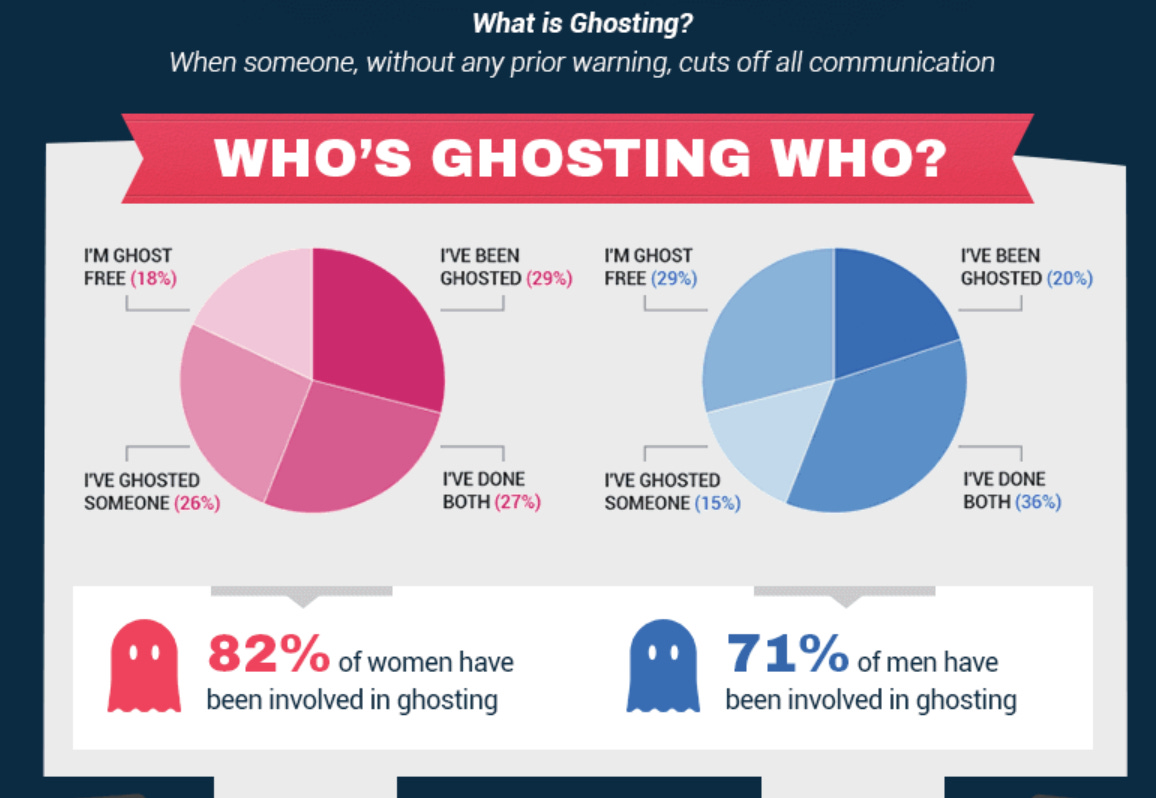
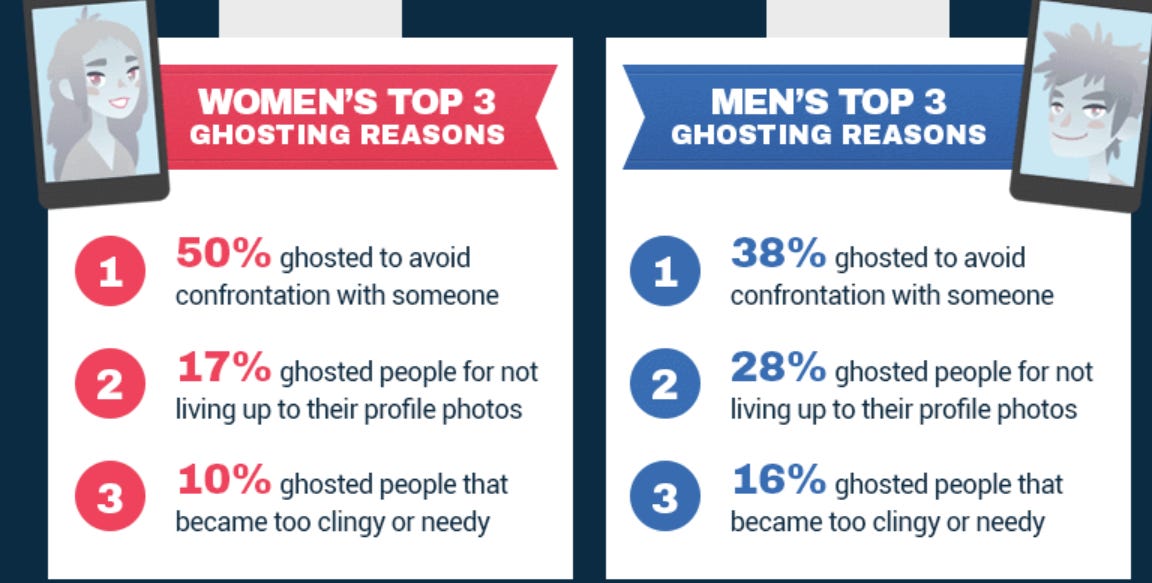
Since you can easily avoid the confrontation by hiding behind technology, most choose to evade an awkward or uncomfortable conversation. Instead of being honest about why they no longer want to pursue their entanglement further, its easier to let the other person jump to their own conclusion. There are rarely consequences for this. While there are apps such as Tea or Are We Dating The Same Guy this hasn’t made ghosting or infidelity any less common.
This is because behavior is driven by attitude which is shaped by beliefs. If somebody doesn’t believe there is anything wrong with being rude or unethical, they will behave accordingly. The only thing that can keep them in line is consequences.
As we increasingly live in a consequence free society, it stands to reason there isn’t much keeping people in line. They don’t feel like their word has much value since in a transactional world, you can get by with Capital, Capacity and Collateral. In the dating world, singles might have a slightly different underwriting criteria than banks but nonetheless, character or being considered a good member of their community is often deprioritized (we discussed this in Is pretty (male privilege) a thing?)
The Death of Character: What Comes Next?
In the TV Show Black Mirror, a popular episode Nosedive depicts a world where society runs on a social credit system, each citizen gets a rating between 1-5 stars, with each interaction rated like a Uber ride. People with higher ratings get access and privileges, the others do not.
You don’t need to know if somebody is a good citizen or not, you can just look at their rating. Your Character has become quantified into metrics, like Capital, Collateral and Capacity. You don’t need to trust people anymore, since trustworthiness can be demonstrated through a higher score.
Naturally this will prompt people to focus on optimizing their reputation, instead of consistently doing the right thing. Choosing to spend hours perfecting their Linkedin or Instagram profile to look high status instead of just being a respectful and interesting individual.
Unfortunately, these kinds of people get rewarded. Cringe Instagram influencers get plenty of sponsorships, not to mention exclusive invites. People posting awful engagement bait on Linkedin get their profile viewed more, heightening their status and affording them more opportunities.
You keep seeing this type of engagement hacking because it’s incentivized. If it was punished or ineffective it would go away quickly. That’s why the only way to save social credit is to bring back scrutiny and consequences. Who would be against demerit points every time an influencer posts a selfie, or somebody posts a photo of their passport on their lap trying to “discreetly” show they are in business class/flying private? That will get people to fall in line quickly.
Although, the social credit system idea brings promise, human rights advocates worldwide have been unhappy with China since they implemented something similar in 2018. Even if in China people are more supportive (apparently).
The Death of Character
The value of character quietly disappeared because it was priced out. New systems which are helpful to outsiders hurt familiar people.
People don’t feel like they can rely on character alone, so it doesn’t offer them much value. Should we be surprised when people stop cultivating it? We’ve been rewarding signaling over substance, optionality over commitment, performance over consistency.
The coffee shop exchange felt weird not because it was generous, but rather it relied on something we’ve engineered out of business. Trust without verification now feels reckless. Yet, it’s the only thing that made social credit meaningful in the first place.
It’s more important than Capital, Capacity or Collateral. What good is lending to somebody with plenty of money, if they have no intention of ever repaying you? If they think ghosting is an appropriate mechanism, good luck collecting on your outstanding obligations. We’ve ironically taught people to focus the least on the aspect that matters the most, creating a society that increasingly trusts each other less because they don’t feel like they need to.
Will interactions like the one I had at the cafe go completely extinct or is will there be a resurgence of the value of character? Would you accept trust as a currency?
Thank you for reading. If you liked this article please Subscribe below. I publish articles on a wide range of topics from business, books, current events or anything on my mind.
Great piece, this needs a collective reflection