

Within each company exists a beleaguered underpaid and under appreciated bean counter. They might hold a fancy title such as Chief Financial Officer, Vice President of Finance, Head of Finance etc. but their mission remains the same. To make sure money isn’t wasted.
Business books focus on product, strategy, sales yet none can succeed without money. If the CEO bankrupts the company because they spend all the funds on parties, pet llamas or other unproductive items, none of those other departments matter.
Individuals hire financial planners to serve a similar function. One could question their utility since most just charge 1% of AUM to tell them to spend less money and put their investments into ETFs. I’m sure some are probably fine, just not the ones advising Nick Cage or Wesley Snipes.
Hard transition + trigger warning*
Readers might be shocked to learn there is something more valuable and important than money. Time.
Not everyone agrees but let’s compromise and say they are at least equivalent. This begs the question. Why is everyone so obsessed with watching their finances but afraid to audit how they spend their time?
If time is money, why are there armies of bean counters but no clock watchers?

There is endless content on managing finances but very little on how to effectively audit how you spend your time.
A companies financial health is depicted in the 3 financial statements: The Profit & Loss Statement, The Balance Sheet and The Cashflow statement.
What if we were to apply this framework to time management?
Do you have a busted time balance sheet? Are you incurring crazy losses? Are you bleeding cash?
Keep reading to find out!
If this week’s article does not interest you, please check out some other recent ones:


The Time P&L Statement
How did you spend your time between X-Y Date
The P&L statement shows what happened between certain dates. Usually shown quarterly or annually, but it can be any frequency. Monthly, weekly, daily whatever.
In a financial sense you’ll normally see what revenue has been generated, expenses incurred during that time, the taxes paid, if you believe in that sort of thing and what’s left after you net these out. The profits and/or the losses.
From a time standpoint, you can allocate every second to see how it’s used. People generally spend around a third of their time sleeping, another third working and activities around work such as commuting or going to your companies awkward picnic. That remaining 6-9 hours during the week is where we are supposed to squeeze in everything else. Important things like getting dressed, exercising, personal hygiene, reading Serviceable Insights, crying to The Ride of The Rhohirrim.
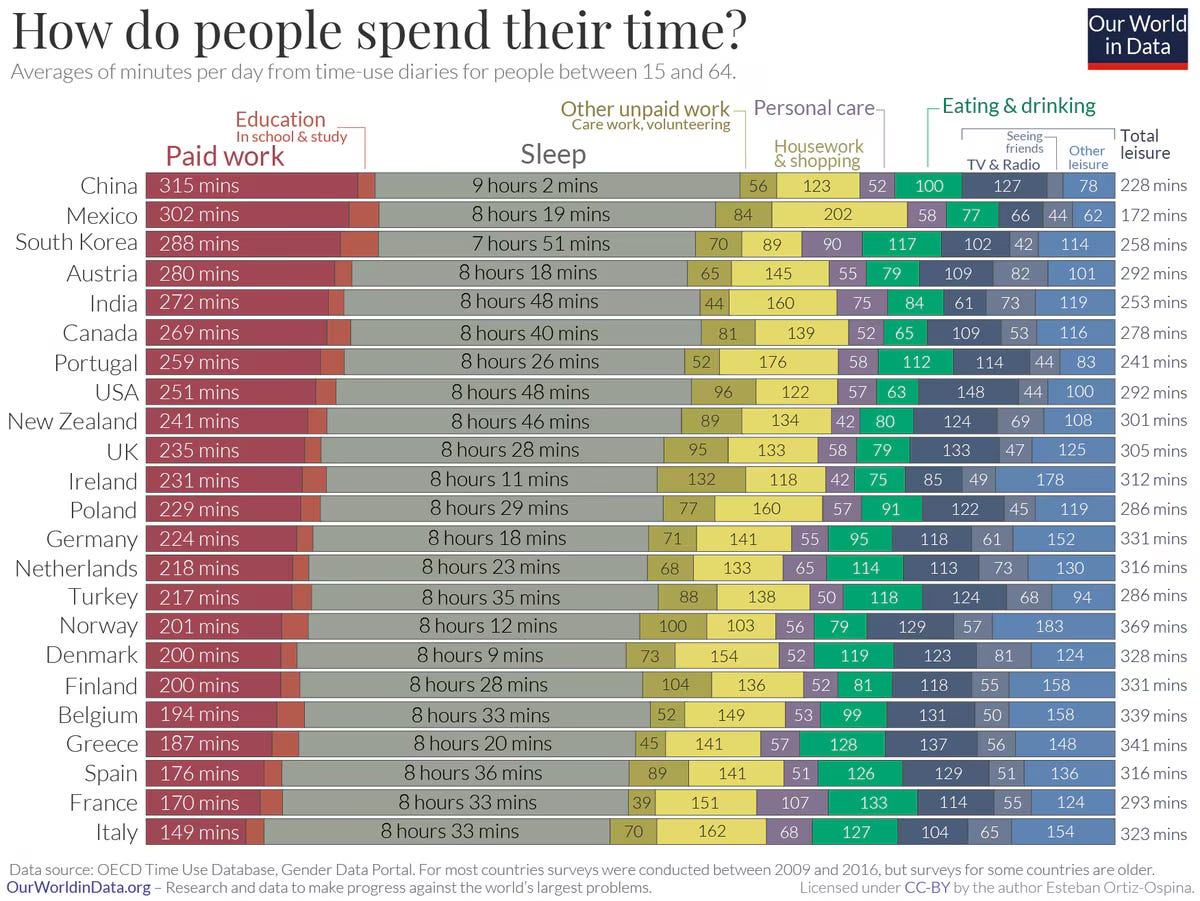
People will whine that there isn’t enough time in a day but spend 5 hours a day on their phone. Mostly doom scrolling Instagram. Not to mention wasting time watching crappy Reality TV or other bad shows. Except for Succession, Succession is great (if you are a fan check this and this out).
The way you spend your time will determine your mood and general satisfaction with your life. I am not Sigmund Freud but if you aren’t happy, you should spend more time on things that will make you happy.
To be happy you need some combination of safety, security, companionship and the sense of a great mission/purpose. For some that’s religion, worshiping the God or sports team of their choice. Others will fill that void by going into politics, starting a company or dedicating their life to research. Some research such as the cure for cancer benefits society, other research only exists so people don’t need to admit they are unemployed. Whatever floats your boat, I’m not one to judge.
If on balance you find yourself waking each up morning happy, energized and excited for what’s to come, you are spending your time well. You’re running a profitable life.
This doesn’t mean you need to love every second of your life. Sometimes like an early stage startup, you need to run losses in the short term to be very profitable in the long term. In fact, if you never find yourself doing something you aren’t naturally inclined to do, you will never achieve anything of consequence let alone your life purpose.
The more you can learn to take pleasure in the activities you don’t naturally want to do, the easier it will be to achieve your great purpose. Sisyphus was condemned to roll a stone uphill each day only to watch it fall back down each night. With no way to escape this fate, the only way for Sisyphus to defeat the Gods who condemned him, was to enjoy their punishment.
Kobe Bryant was cursed with the desire to be the greatest basketball player ever. Better than Michael Jordan. Kobe Bryant didn’t enjoy waking up at 4AM and training four times per day, but he loved the separation he was creating between him and his competitors. These were long term investments in his future, creating assets that paid him dividends for decades. These are the things you would see on the balance sheet.
The Time Balance Sheet
A Snapshot of Your Assets and Liabilities At A Point In Time
Unlike the P&L and Cashflow statement, the Balance Sheet only shows an exact moment in time. It shows the assets, liabilities and shareholders equity of an organization or individual. Assets will generate positive cash flow in the future, whereas liabilities will eventually reduce cash.
It’s an oversimplification, but all things equal you want more assets than liabilities. If you care about the future, you want to see more money or time flowing your way. Not all assets are created equal. Some are short term, others are longer term. The only way to create long term assets is through investing time and money. For companies this is machinery, GPUs, intellectual property etc. For people these are skills and experience.
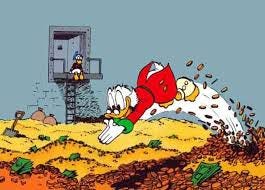
Since assets have finite lifespans, companies and individuals need to constantly invest or their balance sheets will eventually shrink. One good workout won’t make you fit but if you’ve invested thousands of hours exercising across your life, it takes a much longer period of inactivity before you would be weak and frail (we discussed this in Biohacking That Works (and Doesn’t).
To get good at something, you need to invest your time with dedicated practice. The more time you invest, the better you will be and the more separation you will get from everybody else. If you are building this advantage in areas that are economically valuable, you can feel secure financially, as long as you can sustain this edge. You don’t need to exclusively build skills that are financially motivated. If you get really good at activities and hobbies that you enjoy, you can satisfy other necessary conditions of happiness. Making close friends are great assets that will make you happy for years to come. Accomplishments that boost your self esteem and confidence are assets. Spending a high portion of your time doing something you love might be an intagible but there are worse things.
Beyond investing to give yourself economic and spiritual assets, another type of investment you can make is to give yourself more time. Some measures are short term others create more time for yourself indefinitely. If you spent a Sunday meal prepping for the week, that would create a time asset but it would only last until the end of the week. If you trained your dog or built a robotic chef that could prepare and clean your meals for you, that would be a longer term asset.

The more time you can create for yourself to go after your life mission/purpose, or on activities that will give you fulfilment (security, safety, companionship) the better your life will be.
Creating time assets are good but the way you spend your time matters more. Spending all of your time automating tasks just to create more free time for yourself is pointless if that free time doesn’t translate to something that will improve your life.
Imagine an 18 year old with Billions of dollars and no responsibilities but chooses to spend their next 70 years watching trashy reality TV and eating hot pockets instead of doing anything worthwhile. Would they have a better life or be happier than somebody with many friends, a loving family and plenty of fulfilling life experiences?
Money matters, but only if it’s used to help you accomplish your goals. Create long term assets that let you live a good life.
Time Cashflow Statement
It costs money to live. Seemingly every time we step outside (or not) we have expenses flying at us. There are no shortages of ways to spend our money. We’ve previously explored the merits of going into debt to buy a Rolex.
Not all spending creates assets. Nothing wrong splurging on a nice meal or a fancy outfit from time to time if you can afford it, but if this where most of your money is going, your balance sheet is going to look bad and your P&L will eventually suffer.
Just like in a corporate setting, some spending and investments offer a higher return on investment. A $60 Uber Eats order to give your Burrito a private car ride, saves you 20 minutes once. Spending an equal amount on a house keeper or gardener, can save you hours. Spending a bit more money for something that saves you hours on a recurring basis can be a great investment but only if you use this time productively.
Taking on debt only makes sense if it helps finance assets that will at least eventually pay for the debt and associated interest. In the context of time, it only makes sense to take on liabilities if these savings will offset the future commitment. Skipping the gym saves you time in the short term, but the longer you push it off, the harder it will be to get back on track. Not sleeping works the same way. Pulling an all nighter hurts your health and performance, so if you are doing it, you better be getting something worthwhile in exchange. Staying up all night watching re-runs doesn't qualify.
If you are spending money, it better be investments that create long term, high quality assets that will save you time and/or bring in more money. This allows you to make bigger and better re-investments in your time, happiness and financial wellbeing.
Spending money on hobbies is fine, if you get real enjoyment out of these hobbies and it brings you long term happiness. If you’re chasing a new activity every week, and you have equipment gathering dust, these are impaired investments.
You need to strike the right balance between having enough cash saved so you feel financially secure, but be able to invest in things that help you achieve your objectives so you feel fulfilled. Hoarding cash just for the sake of hoarding won’t make you happy. Having no cash is also problematic.
A good time cashflow statement, shows positive cashflows that turns into cash and investments that will get you closer to your goals of feeling safe, secure, with adequate companionship and your great mission/purpose.
When was the last time you properly audited the way you spend your time?
Thank you for reading. If you liked this article please Subscribe below. I publish articles on a wide range of topics from business, books, current events or anything on my mind.
So important yet rarely talked about!