

I used to be an emotional little lad.
It didn’t matter which sport but inevitably anyone who played with me would have witnessed a tantrum at some point.
After a loss, I would throw my hockey stick across the locker room upon entering. Probably blaming the refs or some external factor for the outcome.
A backgammon game could end with the board and pieces scattered across the room.
After a bad shot, I would throw my tennis racket on the ground. I saw Andy Roddick and other Pros do it and thought it was normal. I didn’t realize they got paid to use those rackets whereas my parents had to buy mine.
These types of freak-outs were regular occurrences, then I turned ten years old and realized it was just a game.
This profound realization didn’t come from meditation, a therapy session or even a find myself trip to India. I realized these outbursts weren’t helping me, so I stopped.
At ten years old I understood I was allocating energy in a way that didn’t help me or make my life better. I was not a kid genius, but considering most adults could never figure out this basic lesson, I must have been less stupid than I thought.
People have a difficult time stopping behaviour that makes their life worse. Many won’t even accept or acknowledge they have an issue. Among those that do, many will decide it’s too difficult to change or even impossible based on their circumstances.
This thinking is common but not rational; it’s the ego whispering sweet nothings instead of facing harsh reality. If you are serious about improving without coming off as one of those annoying influencer types. Keep reading.
Book I’m Currently Reading:
Hardball: Are You Playing to Play or Playing to Win? by Stalk, Lachennaur & Butman
Book I most recently received as a gift:
The Fourth Turning Is Here: What the Seasons of History Tell Us about How and When This Crisis Will End by Neil Howe
In case you missed them, here are some other recent articles to check out:


Falling into a groove limits your growth
At some point, most people decide to settle.
Even if they aren’t satisfied with their career, fitness abilities, dating options or daily routine, they aren’t willing to do anything about it. Then that’s who they become.
Sometimes this happens consciously, but usually it comes from a handful of early experiences that harden into identity. You are the shy one. The funny one. The bad student. The lazy one. The person who isn’t athletic. The person who doesn’t read. The person who has a temper. The person who is simply “not good” at certain things.
Once that image settles in, life becomes easier in one sense. You can protect yourself from potential disappointment and have a convenient excuse for when things don’t go your way. It’s like a script you can use to dismiss opportunities when they appear.
“I’m just not that kind of person.” or “I do not have that type of canine in me!”
These sentences do more to limit human potential than any lack of talent. Many of these identities are formed when we are too young or inexperienced to know anything. This is dumb because with a few exceptions, your talent at a certain activity when you are 10 years old has little bearing on your long term potential.
If you regularly play youth sports, you can develop enough athleticism to play in most adult intramural leagues. If you eschew sports or fitness your entire childhood and only decide to get in shape in your forties, you are going to have a much tougher time. Deciding you aren’t sporty or athletic becomes a self-fulfilling prophecy. The longer you avoid exercise, the harder it will be to get in shape.
If you want to be competent, avoid these kinds of limiting beliefs. Too many people decide they aren’t math people because they struggle with high school math. In reality, your mental horsepower only becomes a limiting factor once you reach Master or Doctorate level mathematics. Virtually anyone able to get into University has the intellectual capacity to get through bachelor level mathematics. The reason they don’t has more to do with their mindset. They fail before showing up to the class.
These stories you tell yourself do more damage than good. Just because you are told things by others as a child doesn’t mean you need to be shackeled by these labels for the rest of your life. Once you realize this, you are free to do anything.
Free will only exists for people who exercise it
If you believe the Universe is preordained there is no reason to do anything. The cards will fall as they do and you couldn't change the outcome if you wanted.
Nobody who achieved anything great accepted the universe as this immutable entity, they decided they wanted to do something and they were going to make it happen regardless of what obstacle got in their way.
Whether or not free will exists in some grand philosophical sense is irrelevant. Your life feels predetermined if you act like a passive observer. You become a slave to the whims of the free market, the government or other people around you. Fortune favours the bold, if bold is another way of saying people who try to change the universe in the way they want.
The universe doesn’t bend easily. Just wanting something doesn’t guarantee an outcome. The bigger the ask you make, the greater the input. Talent, timing and luck all matter. Unfortunately most people surrender long before reality has the chance to reject them. People fail to understand that the difference between a 0% chance and a small chance is massive.

A big reason for this is the fear of being judged. People worry that if they suddenly take something seriously, others will notice. If the unserious person starts writing, the out-of-shape person starts training, the quiet person starts speaking up, it might look forced. Someone might find it cringe.
The only people who care about something being cringe, are cringe people. Cool or successful people don’t care about that sort of thing. They are busy doing cool/successful person stuff to judge.
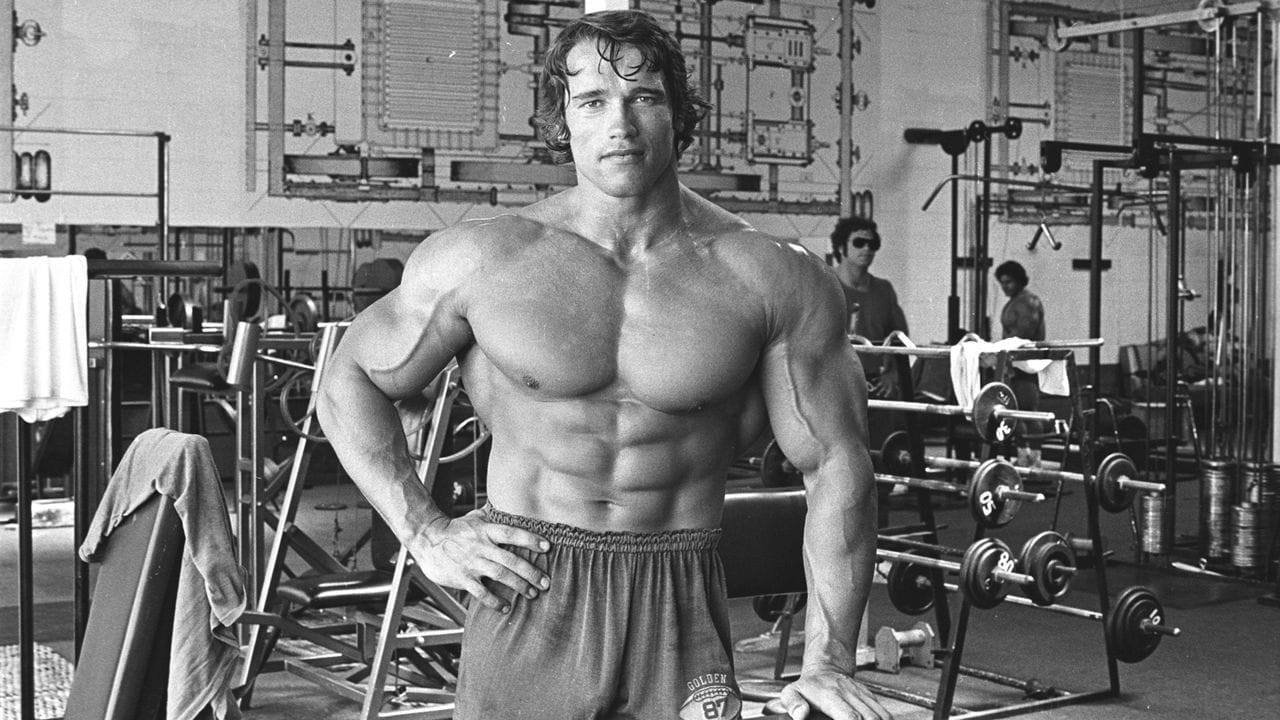
People are cringe until they aren’t. Look at Arnold Schwarzenegger. He went from Austrian immigrant with a thick accent, to the biggest bodybuilder in the world. Then he became a movie star, governor of California and then he married a Kennedy. He didn’t care about making a fool of himself. He worked out or improved his craft almost constantly. Willing to look foolish in the near term to look brilliant in the long term.
Nobody cares about what you are doing as much as you. People going around calling things cringe, is an inevitable reaction to their own discomfort when they see something that doesn’t conform with their mental model. If you study any highly successful person, you will find plenty of cringe. Things that don’t align with how the average person lives, or how most people think they should.
They will over allocate time and attention to things others won’t. They will put in more hours and obsess about things, in pursuit of their goal. They don’t care if other people think it’s excessive or not.
You don’t need permission from the people who knew an older version of you. You don’t need to preserve their comfort by remaining familiar. Put your will on the universe. Make the change. Let everyone else adjust. You just need to decide it’s important to become the best version of yourself, and you’re willing to ruin the mental image you’ve built for yourself.
Thank you for reading. If you liked this article please Subscribe below. I publish articles on a wide range of topics from business, books, current events or anything on my mind.
I enjoyed this Ben, and would agree that on the whole it makes great points. I agree completely that many people impose narratives upon themselves that prevent the achievement of their potential. But being of academic origins, I can’t help but notice questions that arise and I could not get this one out of my head without writing about it. Specifically, what is the properly nuanced advice?
What advice would you give to a teenager or young adult who is averse to exercise, because it just does not feel right to them? Should everyone just push through their perceived limits?
I had a friend who was a brilliant computer scientist but always felt averse to exercise. He finished a Ph.D. at Berkeley and went off to teach at a school in Ohio. But lecturing to classrooms of students, done well, is performance art. In involves both physical and emotional exertion. During a lecture in his second year, his heart exploded.
It turned out that the tissue confining and constraining his organs was congenitally weak, so that they all were enlarged. Had he pursued exertion sooner, he would have died sooner.